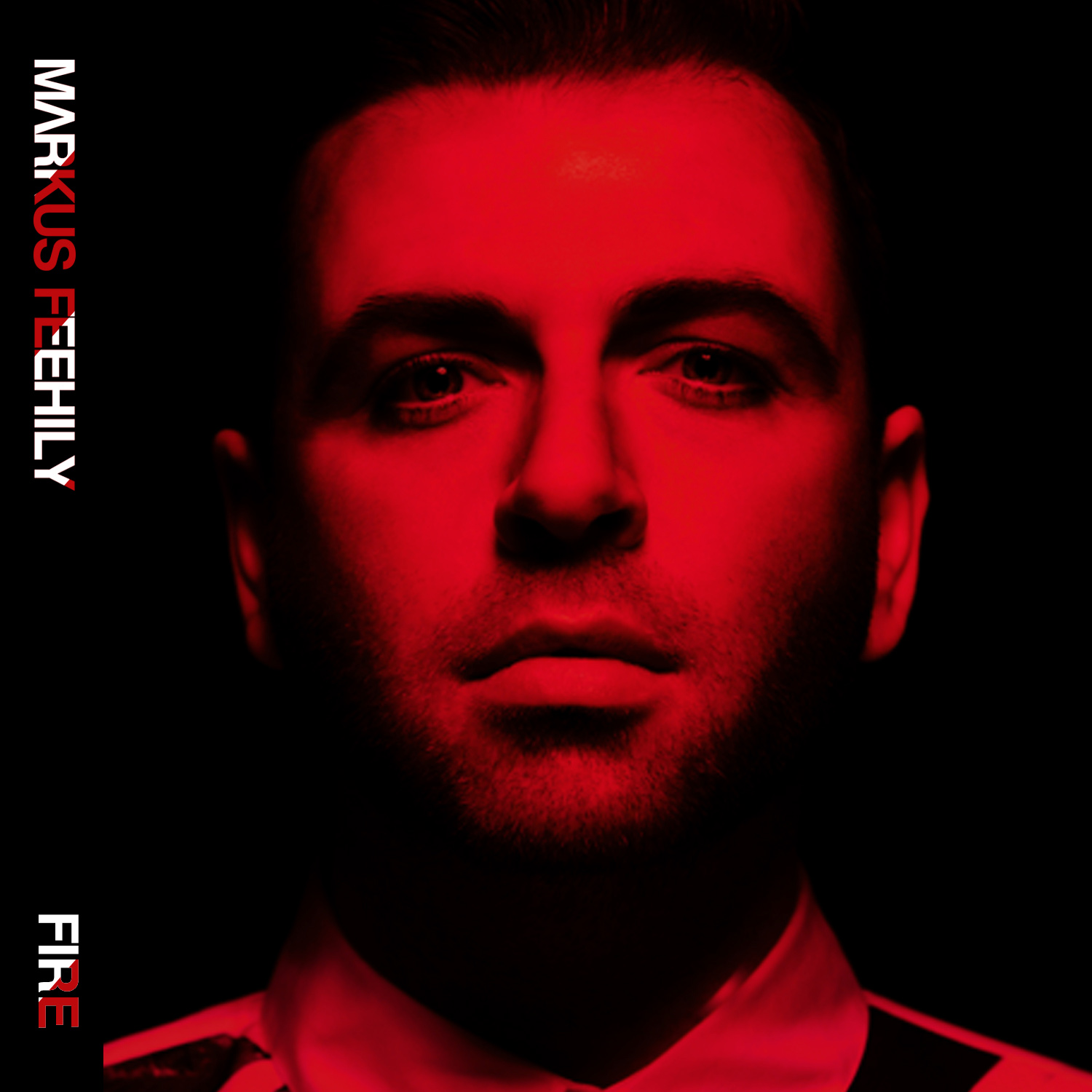
Markus Feehily – Fire Album Review

HRMY003CDX

There comes an inevitable point in the career of a boyband where members are eager to test the waters alone, free of the many musical and image restrictions boybands are lumbered with. Westlife enjoyed an immensely successful fourteen year career – one of the longest reigns in boyband history. During their career, they sold over fifty million records worldwide, achieved fourteen number one singles in the UK and released ten successful albums. Furthermore, Westlife were one of very few bands to survive the loss of a band member, successfully continuing a further eight years following Bryan McFadden’s departure in 2004. Whatever the mainstream perception, Westlife were without a doubt a sturdy and incredibly successful enterprise. Upon their departure in 2012, Shane Filan wasted no time in releasing solo material (presumably due to his well documented bankruptcy) to great success. Mark Feehily (or Markus Feehily as he is now known) on the other hand, took a brief hiatus before writing and recording his début album.

‘Fire’ is a dark, emotive affair; eleven tracks of sheer power. Whilst some moments are reminiscent of Westlife’s final album ‘Gravity’, overall it takes an experimental approach, resulting in a far more mature, contemporary and bold assortment of tracks than were ever found on any Westlife album. Feehily is finally able to spread his wings and thoroughly showcase his robust vocals. And that he does on ‘Fire’, from start to finish.

Album opener and lead single ‘Love is a drug’ is a dark track on which Feehily’s emotive vocals soar above sweeping ’60’s strings, a gospel choir and drum and bass influenced percussion. Evidently influenced by Massive Attack’s ‘Unfinished Symphony’, it’s a compelling opener and one which deserved to fare far better in the charts. Much of the album follows a similar formula. “I wish that life came with instructions”, Feehily croons on ‘Wash The Pain’, a track abundant with synthesisers, slamming percussion and reverberating vocals. ‘Cut You Out’ features moody guitar riffs, brass instruments, fidgety electro samples and rich gospel harmonies whilst  ‘Butterfly’ ventures into dance-pop territory and utilises a re-recording of Joni Mitchell’s ‘Big Yellow Taxi’. Considering Mitchell’s lyric ‘Don’t it always seem to go that you don’t know what you’ve got ’till it’s gone’ is perhaps one of the most sampled lines in history, ‘Butterfly’ is hardly innovative. It does contain admirable levels of fervency, however and is one of the album’s stand-out moments.

Elsewhere, the album comes close to entering Westlife territory but is overall avoided through enthralling electronic production and Feehily’s emotive lyrics. ‘Back To Yours’ is a stunning piano ballad on which Feehily gives his best vocal performance yet. It contains a vulnerability and enchantment Westlife could only have dreamed of achieving. ‘Love Me Or Leave Me’ is a driving pop-rock ballad featuring Coldplay-esque piano chords whilst closing track ‘Casablanca’ features tinkling pianos and gorgeous orchestration. As with any album, some familiarity is welcomed and therefore the most Westlife-like track on the album, ‘Only You’ is a tender and welcomed moment. A gorgeous pop-rock ballad comprised of gentle piano chords, soft acoustic guitars and Feehily’s incredible falsetto, it enables the album to breathe after the intensity of the darker material present.

The album’s only flaw is that it desperately lacks one or two tracks of a lighter tone. Whilst there are more up-tempo tracks featured, at times the intensity is in danger of becoming overbearing. Nevertheless, the personal nature of the album gives it consistency – a necessity on all of the best albums.

An audacious and personal album abundant with emotion.

Rating: 4/5.

‘Fire’ is out now on Harmoney Entertainment records.


Duran Duran – Paper Gods Album Review

duran-duran-paper-gods

It’s tough to stay at the top. Very rarely does an artiste or band remain successful for the entirety of their career. Most encounter a fall from grace and are reduced to playing dingy clubs or worse still, hanging up their microphone for good. There are exceptions of course. Kylie, Madonna, Take That etc. have all proved their durability and continue to release top selling albums and sell out arenas and stadiums across the world.

Being a band whose peak lies in the distant past of the late 1980’s, Duran Duran are more than aware of the challenges of remaining relevant in a youth-obsessed industry. They quickly discovered a long and fruitful career lies in reinvention; through updating both sound and image but retaining identity. Over the past fifteen years, they have sought to remain current through collaborating with a diverse range of artists. Previous album, 2010’s ‘All You Need Is Now’ was produced by Mark Ronson whilst Timbaland and Justin Timberlake injected R&B/Hip Hop into 2007’s ‘Red Carpet Massacre’. Overall, these paid off; Duran Duran are still fortunate enough to perform to sold out arenas across the world.

‘Paper Gods’ once again serves as a who’s-who of Pop and enlists the assistance of a range of artists to contemporise the album. Kiesza, Janelle Monae, Nile Rodgers, Linsay Lohan, former Red Hot Chilli Peppers guitarist John Frusciante, Jonas Bjerre and Mark Ronson all feature in some way whilst the other half of the album allows the band to retrieve the glory. Production duties for this album are handed to Mr Hudson, best known for his solo album ‘Straight No Chaser’ and collaboration with Kanye West on ‘Supernova’ before seemingly vanishing. Hudson’s own material was largely influenced by 1980’s elecronica and synthpop, adding hip-hop beats to guarantee its relevance in the current industry. Duran Duran were no doubt one of his own influences and this is is where ‘Paper Gods’ becomes a rather confused affair. Is Duran Duran inspiring Hudson’s sound or vice versa? Either way, Hudson injects vibrancy, relevance and enchantment into the album, allowing them to maintain their identity and signature sound but with added flare and relevance to keep it bang-up-to-date.

Production aside, ‘Paper Gods’ is not far removed from Duran Duran’s signature material from the late 80’s. The tinny guitar riffs, anthemic choruses, chaotic chord progressions and Simon Le Bon’s sturdy vocals behind the band’s biggest hits are still littered all over the album. The difference here is, the presence of Mr Hudson who frolics around with as many vocal and sound effects as possible.

Much of the album is enjoyable. The album’s opener, title track ‘Paper Gods’ begins with an endearing acapella before launching into a bouncy new-wave track featuring the band’s trademark guitar riffs and Mr Hudson having a whale of a time tossing as many effects possible into the mix. The sombre tone of 1992 hit ‘Ordinary World’ is replicated in ‘Kill Me With Silence’, a track in which substandard verses are compensated for in the gorgeous chorus but finishes with an epic, eerie distorted guitar solo. Nile Rodgers, Mark Ronson and Janelle Monrae inject funk into ‘Pressure Off’, a track which attempts to regain some of the magic found in Ronson’s ‘Uptown Funk’ and Rodger’s ‘Get Lucky’. The band are greatly accustomed with Rodgers, he was responsible for some of their most successful material, and this is evident in the track. Rodger’s signature Chic-like guitar riffs, punchy bass lines and addictive melodies result in one of the album’s highlights. ‘Face for Today’ is an enjoyable breathy pop number whilst the chaotic chord progression in moody new-wave track ‘What Are The Chances’ results in an endearing and gorgeous stand-out moment.

It all gets rather Pet Shop Boys on ‘Danceophobia’, a track so flamboyant it’s difficult not to fear the emergence of Alan Carr at any second. Catchy it may be, but lazy lyrical content and a bizarre appearance from Lindsay Lohan appearing as a doctor result in it being rather deplorable. And that’s the album’s main fault; it tries too hard to please. It’s so full of funky production elements and chaotic chord progressions that there is never a moment just to let it breathe or to focus on the essence of each song.

It’s a sound album, overall and its bold, lively nature are certainly to be commended. Sometimes, however, less is more and ‘Paper Gods’ is just a little too effervescent.

Rating: 3/5.

Paper Gods is available now on Warner Bros Records.

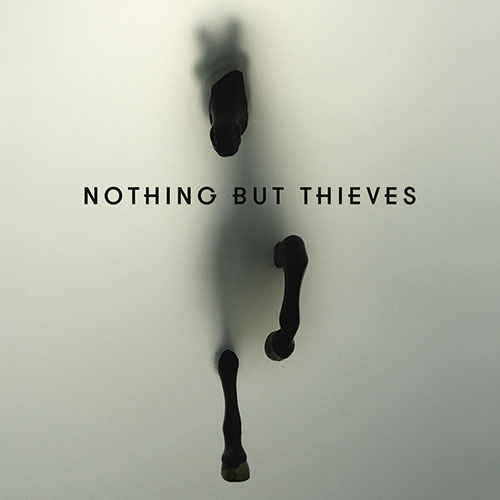
Nothing But Thieves – Nothing But Thieves Album Review

nbt

The commercial music industry is a competitive market and one which hundreds of bands battle to break into, many in vain. Every now and then, however, a British rock band seemingly appears from nowhere and hits the big time. Armed with the support of BBC Radio 1 and a legion of fans,  Nothing But Thieves are the latest band to do just that with their self-titled début album.

Since their formation in 2012, the alternative rock band from Southend-On-Sea (Essex) have been on a steady upward pilgrimage. In addition to their three EPs released sporadically over the past two years, the band’s single ‘Itch’ was featured by Radio 1 as track of the day. They also landed support act slots on tours by the likes of Arcade Fire, George Ezra and Muse. Not bad for three years work.

Eponymous début album ‘Nothing But Thieves’ is undoubtedly one of the best alternative rock albums of recent years. Aided by lead singer Conor Mason’s haunting, ever-endearing vocals and an anthology of durable rock anthems, ‘Nothing But Thieves’ is a delectable album from start to finish.

The album aims to please from the outset but without a hint of desperation. The influences are clear – Jeff Buckley, Radiohead and U2 moments are littered throughout the sixteen track LP but avoid detracting from the band’s idiosyncratic sound. The Jeff Buckley-esque ‘Excuse Me’ is a killer opener to the album, on which haunting verses evolve into an epic chorus with an incredible vocal performance by Mason. Likewise, ‘Ban All The Music’ is abundant with belligerent guitar riffs whilst the riffs used in ‘Wake Up Call’ mimic those in Pink Floyd’s ‘Dogs’. ‘Trip Switch’, the single release which largely propelled the album features an enormous stadium-rock anthem chorus, utilising the trip switch metaphor to signify the end of a relationship. ‘Hostage’ is abundant with wailing guitars and a killer hook whilst the hook in ‘Honey Whiskey’ features almost operatic vocal moments.

Elsewhere, the band convey a softer side on ballads which punctuate the album beautifully. Mason’s falsetto drifts effortlessly over gentle guitar strums on ‘If I Get High’, a ballad reminiscent of Radiohead which builds to an extravagant climax. Likewise, ‘Graveyard Whistling’ conveys a vulnerability rarely found in contemporary music. ‘Lover Please Stay’, one of the album’s highlights, is a gorgeous acoustic ballad on which Mason uncannily resembles Jeff Buckley; his falsetto vocals fluttering gently over lamenting guitars. It’s a track which really showcases his superlative vocals; every note is aching with sincerity.

It’s an album impossible to pick holes in, one on which album fillers and weak material is noticeably absent. Every song from start to finish is exceptionally written and produced, from its profound lyrics to its huge choruses and catchy hooks. Nothing But Thieves have created a masterful stadium-ready album; an outstanding début.

Rating: 5/5.
Highlights: ‘Excuse Me’, ‘Trip Switch’, ‘If I Get High’, ‘Graveyard Whistling’, ‘Hostage’, ‘Lover, Please Stay’, ‘Hostage’.

‘Nothing But Thieves’ is available now on RCA Victor Records.

Selena Gomez – Revival Album Review

860979COZ5bBUwAInslyjpglarge

The transformation of a former Disney star into a mature, credible pop artist was never going to be a walk in the park. Many have tried: Vanessa Hudgens, Miley Cyrus, Hilary Duff (one of the more successful acts who somehow managed to also retain her sanity) with varying results. Attempting to crack the music industry is not a new venture for Selena Gomez; her voyage into the world of pop music has been in full flow since 2009. What is new, however, is her attempt to promote herself as a viable adult artist.

Selena Gomez came to prominence as an actress in the Disney channel series “Wizards of Waverly Place”, appearing in the show until its conclusion in 2012. She then formed her own band, Selena Gomez & the Scene, in the hopes of achieving a successful crossover into music. After releasing three moderately successful albums, Gomez announced the band would be taking a hiatus to focus on other projects. Presumably ‘other projects’ was a euphemism to obscure her desire to be a star in her own right. Début album ‘Stars Dance’ was rapidly released in 2013 to mixed reviews, most of the negative focus placed on the generic production.

‘Revival’ is largely a continuation into maturity for Gomez. The teeny pop anthems have been replaced by pop influenced by bouncy EDM, tropical beach house and an overall far more mature sound. Littered with overt sex references, at times it’s all rather forced as Gomez does everything in her power to dismiss her Disney image and substantiate her new-found maturity.

Overall, however, it works rather nicely. First track “Revival” opens with Gomez reciting a poetic passage prior to the arrival of resilient beats and tropical house synths. It’s a  rather low-key introductory track but one which executes its purpose efficiently. “Hands to Myself” relies on minimal instrumentation, buoyant percussion and Gomez’s supple vocals whilst “Same Old Love” utilises moody piano riffs, hip-hop beats and Gomez’s honeyed vocals. “Sober” is reminiscent of some of Taylor Swift’s best work on ‘1989’, built around fidgety vocal samples, slamming ’80’s-esque percussion and jittering synthesisers. Sultry summer smash ‘Good For You’ maintains its ascendancy, abundant with sensuality, Gomez’s breathy vocals and assistance from A$AP Rocky whilst ‘Me & The Rhythm’ is a tropical-dance pop track built around catchy pop hooks and steel-pan-like sound effects. The album’s sole ballad ‘Camouflage’ is a stunning piano ballad; the album’s best fit for Gomez’s gentle vocals.

The album’s weaker points lie in the final three tracks.  ‘Survivors’ attempts to break into a club-friendly pop sound but falls flat. ‘Body Heat’ utilises Latin rhythmical influences and Spanish guitar strums but lacks character whilst album closer ‘Rise’ is a disarray of electronic elements.

The main flaw with ‘Revival’ is that Gomez fails to stamp her identity on the pop world. Whilst refreshingly avoiding the mainstream 80’s-pop revival currently very much present in the UK Singles chart, there is no innovation or trademark sound that emerges from it.

A step in the right direction but with room for improvement.

Rating: 3/5.

Revival is out now on Interscope/Polydor records.

Janet Jackson – Unbreakable Album Review

093015- Janet Jackson (courtesy of Black Doll Inc.)
 (courtesy of Black Doll Inc.)

There are few artists that are fortunate enough to have experienced the longevity in the music industry that Janet Jackson has. Even more remarkable that she has consistently avoided living in the shadow of superstar brother Michael, demonstrating her own art is substantial enough to maintain her super stardom.

“It’s been a while, lots to talk about, I’m glad you’re still here”, Janet murmurs thoughtfully at the end of opening track ‘Unbreakable’. Indeed, it’s been seven long, eventful years since Janet’s previous release of original material. 2008’s ‘Discipline’, whilst selling moderately, grossly under-performed in terms of single positions and legacy. It was, however, an improvement from 2006’s ’20 Y.0′, slammed by music critics, particularly for the involvement of Jackson’s then boyfriend Jermaine Dupri. Since ‘Discipline’, Jackson encountered the unexpected death of brother Michael from cardiac arrest; an event which sent tremors around the world. She separated from Dupri after a seven year relationship in 2009 and married third husband Wissam Al Mana in a private and secretive ceremony in 2012. It is these events which largely form the lyrical content of the album.

‘Unbreakable’ marks the return of legendary producers Jimmy Jam and Terry Lewis – fixtures of Jackson’s music since her tentative beginnings back in the late 1980’s. They were noticeably absent on previous album ‘Discipline’ and it is their innovative production on this rich synthesis of R&B, dance and pop music in addition to Jackson’s sincere and hugely personal lyrical content which brings the album alive.

Title track ‘Unbreakable’ opens the album beautifully with gentle piano riffs, jittery electronic samples and organic brass instruments. It’s a joyous track and the perfect album opener. ‘The Great Forever’ is a sullen affair featuring beeping computer programming, a shuffling beat not dissimilar from brother Michael’s 1988 hit ‘The Way You Make Me Feel’, and Jackson’s signature syrupy layered harmonies. The somewhat disjointed ‘Shoulda Known Better’, a follow up to Jackson’s hit ’80’s single ‘Rhythm Nation’ begins tentatively as a ballad before launching into an EDM-influenced track. Disappointingly, it never quite quite reaches the heights it could and is crying out for a more predominant bass line. Despite its flaws in production, it’s one of the album’s highlights, a socially-concious, politically themed and powerful track.

The album achieves contemporary appeal through its utilisation of dance/R&B music. ‘Dammn Baby’, is an R&B track abundant with fierce bass lines and robotic auto-tune whilst Missy Elliot collaboration ‘BURNITUP!’ is another club friendly R&B track. Jackson, Jam and Lewis use 1993’s ‘That’s The Way Love Goes’ as a template on lead single ‘No Sleeep’ – a sultry and gentle R&B jam. ‘Take Me Away’ is another of the album’s highlights; another ferocious and powerful EDM track perfectly programmed by Jam & Lewis. Jackson’s vocals are once again layered blissfully to create a gorgeous wall of harmony and the chorus contains a heartbreaking vulnerability.

Vulnerability is captured further in more tender moments on ‘Unbreakable’. ‘After You Fall’, a gorgeous piano ballad stripped of the effects the rest of the album is laden with is a tender and beautiful moment. Likewise, the album is well-punctuated by ‘Lessons Learned’, comprised of gentle guitar arpeggios and Jackson’s angelic vocals. The disco-influenced ‘Broken Hearts Heal’ is a tribute to brother Michael, reminiscing their childhood growing up together whilst utilising the smooth and soulful sound Michael exhibited on his ‘Off The Wall’ album. It’s refreshing to hear Jackson return to some of the fun previously contained in previous hits ‘All For You’ and ‘Runaway’ and another of the album’s highlights; a gentle R&B groove reminiscent of some of Jackson’s best work in the 1990’s. “Black Eagle” is a soulful affair with bongo-like percussion and detuned, twinkling synthesisers whilst ‘Well Travelled’ is a powerful arena-rock anthem, breaking into new territory for Jackson.

At forty-nine, Jackson’s voice is naturally deeper than previously which somewhat disconcertingly makes her sound more like Michael than ever. The angelic and breezy tone to her voice remains, however and the alluring nature of her voice still trumps many female artists around today.

‘Unbreakable’ is concrete verification that Jackson is back to regain her status as the Queen of Pop. A rich fusion of genres with compelling production by Jimmy Jam and Terry Lewis, it’s her most substantial album since 2001’s ‘All For You’. A triumphant return.

Rating: 5/5.

‘Unbreakable’ is out now on Rhythm Nation/BMG Records.


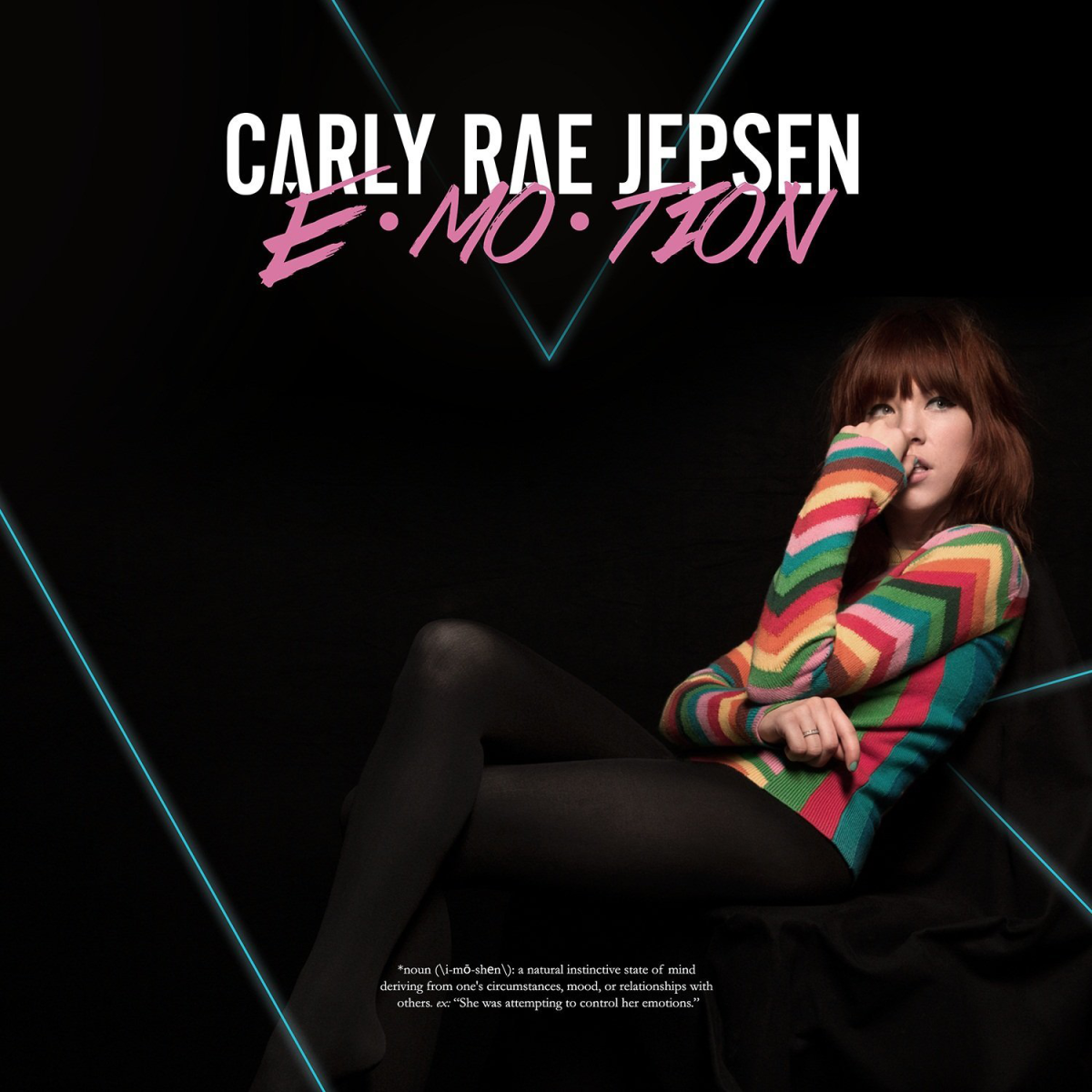
Carly Rae Jepsen – Emotion Album Review

carly-rae-jepsen-ec2b7moc2b7tion-2015-deluxe-1500x1500

The sophomore album is always a challenging feat. Ask any artist and they will affirm that the second album is always the most testing. How do you follow up a successful début album, an introductory statement without recovering old ground or losing your audience altogether? Carly Rae Jepsen launched onto the music scene springier than a space hopper back in 2012 with huge guilty-pleasure ‘Call Me Maybe’ which remained in the charts (and our minds) for what felt like a lifetime. Whilst eventually a vexatious presence it was unarguably a slice of pop perfection and a triumphant launch onto the global music scene. Supporting album ‘Kiss’ was an enjoyable dance-pop album but one which failed to capture the enchantment ‘Call Me Maybe’ contained. Nevertheless, it was a commercial and critical success and one which secured Jepsen as the latest pop princess.

‘Emotion’ largely follows the same formula as ‘Kiss’; the focus is placed upon alluring hooks and uptempo dance-pop tracks which document escapades of puppy love. The primary difference however, is that Jepsen’s new material contains far greater substance. As is the latest trend, ‘Emotion’ draws heavily on 1980’s synthpop, Sia Furler’s writing credentials and a team of Swedish pop writers to formulate the perfect pop album. What ‘Emotion’ may lack in individuality, however, it makes up for in spirit and conviviality. Every track is meticulously programmed by some of pop music’s biggest producers (Greg Kurstin, Mattman and Robin and Shellback to name but a few) whilst Jepsen’s breathy and sultry vocals drift sedately atop. Every effect imaginable is tossed into the concoction – distortion, autotune, excessive reverb – but every ounce of effort is worthwhile; Jepsen has delivered an effervescent album abundant with catchy guitar riffs, breezy sound effects, and irresistible pop melodies.

Album opener ‘Run Away With Me’ is a model of things yet to come, plastered with detuned saxophone riffs, tight production, shuffling percussion, repetition and infectious melodies.  It’s a fitting introduction; another teeny-bopper but its taut production gives it far greater substantiality. Lead single ‘I Really Like You’ remains as charming as on first listen whilst funky ‘Emotion’ comes dangerously close to becoming a direct rip-off of Haim’s ‘If I Could Change Your Mind’.

As is the case on all contemporary pop albums, Sia Furler is enlisted as songwriter on two tracks. The first, ‘Boy Problems’ is a fizzy affair, carrying levels of buoyancy Nile Rodgers would be proud of as Jepsen boasts that she ‘broke up with my boyfriend today and I don’t really care’. It shamelessly enters teeny-bopper territory again and is rife with sneering teenage girl ‘nah nah nah nah nah’s’. ‘Making The Most of the Night’ is a slightly darker effort in a similar vein to Sia’s own material, built around a tribal-influenced rhythm. Both tracks form just a handful of the album’s high points.

The 1975-esque ‘Let’s Get Lost’ is another of the album’s highlights, utilising funky guitar riffs, clinking synthesisers, and a feral saxophone appearance. Breezy harmonies are gorgeously layered, evolving into an exceptionally melodious chorus. It’s more infectious than than anything Jepsen has produced prior to this album and is crying out for a single release.

Elsewhere, ‘Emotion’ attempts to strike forward with a little more ferocity and variation. ‘LA Hallucinations’ explores hip-hop in a similar fashion to Taylor Swift’s ‘Bad Blood’ whilst ‘Warm Blood’ uses stomping percussion and fuzzy bass lines to great effect. Finale ‘When I Need You’, the most 1980’s influenced track by far with spaced percussion and shimmering bells could have easily been featured on the soundtrack to a classic ’80’s movie, following a similar suit to ‘I’ve Had The Time of My Life’.

In an album so sharply focussed on tight production and frolicking with various effects, the Mattman and Robin produced ‘Gimmie Love’ adopts a more simplistic touch through utilising Jepsen’s angelic vocals beautifully over minimalistic over reverberated percussion and metallic guitar riffs. Then there is sole conventional ballad ‘All That’ – a slow schmaltzy number rife with twinkling keys and giggling synthesisers, lavishly drizzled with Jepsen’s syrupy sweet vocals. The end of the middle eight hits a colossal climax which completes the track nicely.

Whilst Jepsen doesn’t necessarily demonstrate the greatest vocal range, this is greatly compensated for by the compelling melodies that stick in the mind long after the album’s final track. Every track is solid enough to be a single and this engenders a flawless album of pop gold.

‘Emotion’ is a glitzy album bursting with vibrancy; forty five minutes in which the listener is permitted to re-enter the comfort of a convivial, juvenile world free of the stresses of life. A perfect pop album.

Rating: 5/5.

‘Emotion’ is out now on Interscope/School Boy Records.

The Weeknd – Beauty Behind the Madness Album Review

“Go tell your friends about it”, Canadian artist Abel Tesfaye croons on track three of latest album ‘Beauty Behind the Madness’. Indeed, it’s an album which boasts amorality, self-absorption and an insensate panorama of life. It is not the first of Tesfaye’s works; this is his second album and fifth collection of songs following three mix tapes and début album ‘Kiss Land’. But whilst ‘Kiss Land’ was a moderate success, it is latest offering ‘Beauty Behind the Madness’ that has captured the public’s attention. Largely propelled by huge single ‘Earned It’, certified platinum in the United Kingdom and best known for being featured in this years Fifty Shades of Grey movie, The Weeknd is fastly becoming the latest R&B sensation to hit the commercial music scene.

‘Beauty Behind the Madness’ adopts a nothing-to-hide approach, presenting themes such as no-strings-attached sex, drug usage, self destruction, the pursuit of fame and disloyal women amongst an eclectic amalgamation of thumping hip-hop beats, shiny brass instruments, syrupy-rich layered harmonies, funky bass lines and weeping guitars. It is a descent into melancholic psychedelia but one which thankfully avoids over-saturation through clever production and an assortment of genres.

Much of the album is an 80’s impelled anthology. ‘Real Life’ opens with irate synthesisers and crashing beats whilst ‘Losers’, a duet with Labrinth, utilises the piano in a similar fashion to Kanye West’s ‘Heartless’. Much of the album continues in the same way; eerie reverberations, clever production and Tesfaye’s angelic vocals smother symphonic scores. ‘As You Are’ borrows ’80’s gated pummelled percussion and clinking synthesisers with more reverberation than the dark side itself. It’s one of the album’s triumphant successes, however; a theatrical sound-scape in which Tesfaye vows to take his lover as they are, scars and all. ‘In The Night’ utilises a shuffle rhythm, growling bass and an irresistibly catchy melody.

Other moments slant heavily into hip-hop territory; ‘Often’ is comprised of a mesh of shrill sound-effects and Tesfaye’s salacious admission of doing it ‘often’. Lead single ‘The Hills’ is a song with instrumentation so precarious, it is a direct reflection of its lyrical content; a narrative about a plummeting sexual relationship. One of the more successful hip-hop tracks is ‘Tell Your Friends’ – a song so rife with hubris, Kanye West would be envious. It comes as no surprise, then, that Mr West himself is responsible for the production of this gentle R&B jam. Fluttering synthesisers and jazzy staccato piano chords make this track reminiscent of West’s ‘808’s and Heartbreak’ album. Whilst the album’s abundance of remarks such as ‘these b*****s’, these ‘n*****s’ and comments upon genitalia don’t come as a surprise, they are not the most fitting complement to Tesfaye’s innocent falsetto whispers. At times the contrast between the two becomes a little unnerving.

Thankfully, the sullen nature of the album is broken up by the odd injection of pop; the primary method Tesfaye has captured the public’s attention is through the selection of radio-friendly singles. Bleak waltz-ballad ‘Earned It’ known for its inclusion in the Fifty Shades of Grey movie is still captivating with its dramatic orchestration and sacharine sweet vocals. It is still as fierce as it was upon release. Still, even the pop moments disguise darker undertones; latest single ‘I Can’t Feel My Face’ is an ode to Tesfaye’s love of sex and cocaine, cleverly obscured by its radio-friendly pop sound. Co-written by songwriting genius Max Martin (the mastermind behind hits by Britney Spears, The Backstreet Boys and Katy Perry amongst countless others), Tesfaye does his best imitation of the King of Pop, drizzling his falsetto-ridden vocals over a funky bass line and tight percussion. It’s catchy, slick and pop music at its best. ‘Who’s gonna f*** you like me?” Tesfaye pines on saturnine acoustic guitar ballad ‘Shameless’. It’s another of the more pop-py moments on the album but one which works beautifully, complete with a warped guitar solo.

Tesfaye depends greatly on mainstream pop individuals on this album, enlisting Ed Sheeran, Lana Del Ray, Labrinth and Kanye West to name a few. ‘Dark Times’, a collaboration with Sheeran is a sulky waltz-like track in the same vein as ‘Earned It’ whilst the Lana Del Ray duet never quite reaches the heights it could. Nevertheless, the collaborations have resulted in an enthralling assortment of tracks.

It’s a dark, moody, seductive and powerful album, an innovative addition to the music industry.

Rating: 5/5.

‘Beauty Behind the Madness’ is out now on XO-Rebulic Records.

Jess Glynne – I Cry When I Laugh Album Review

A1C7qRrVACL._SL1500_

It feels as though no week in the past year has witnessed Jess Glynne absent from the UK singles chart. She has quite literally been everywhere, showcasing her rich soulful vocals with a multitude of friends in the industry; Clean Bandit, Room 94, Tinie Tempah and now, on the album, Emeli Sande. Indeed, it is likely Sande is responsible for Glynne’s never-faltering presence in the music industry; she too once was everywhere. Glynne should be cautious – Sande’s current absence from the industry lead to a sigh of relief from most of the general public who needed to recuperate from Sande’s over exposure (we’ve heard quite enough of ‘Read All About It’, thank you very much).

Those in camp Glynne have certainly been exceptionally savvy in generating a buzz for the album; the build up to its release has taken well over a year, beginning with the release of quirky ‘Rather Be’ with Clean Bandit last year. Since then, Glynne has taken a musical apprenticeship with a range of music industry acts, scoring five UK Number One and two top ten singles. Unfortunately, the album itself is a mixed bag of successes and weaknesses.

Musically, ‘I Cry When I Laugh’ is a joyous affair, full of bouncy house tracks, R&B jams and funky soul numbers. It’s all very 90’s. Glynne’s inability to strip any of the tracks of hand-claps makes it all rather uplifting and soul-stirring; at times the listener might question if they are listening to an album or attending a church service. Lyrically, however, the album tells an alternative story. Much of the album’s material discusses heartbreak or unstable relationships. The contrast between lyrical and musical content is one of the album’s strengths, a refreshing take on a heartbreak album.

The album utilises a range of genres, the main being R&B. Pleasant album opener ‘Strawberry Fields’ (not of any relevance to the track by The Beatles) is a leisurely R&B jam which signifies what’s yet to come. ‘Gave Me Something’ follows suit with house-styled piano riffs and catchy hip-hop beats layered with hand claps. ‘Ain’t Got Too Far To Go’ on the other hand, is a fun pop track with squeaky violins and honky-tonk piano chords, hip hop beats, football chants and gospel-influenced harmony layers. ‘Why Me’ continues the R&B thread, featuring Boyz II Men-esque backing vocals, although this is bought up-to-date with its unsettled dub-step percussion. The influence of Prince is conspicuous on ‘You Can Find Me’, one of the album’s stand-out tracks featuring giggling synthesisers, the return of gospel session singers, slamming beats and funky bass riffs. It’s a ‘Raspberry Beret’ for the modern generation.

Elsewhere, the album remains loyal to Glynne’s signature dance-pop/house sound she became famous for. Singles ‘Don’t Be So Hard On Yourself’, Huge dance smash ‘Hold My Hand’ (still an enjoyable listen), ‘Real Love’ (a victim of exposure) and ‘Right Here’ are all powerful, catchy dance hits that have become radio airplay staples. Disappointingly, other hits ‘Rather Be’, ‘My Love’ and huge summer banger ‘No Letting Go’ are reduced to bonus tracks, a cheap marketing technique to encourage fans to invest more money and purchase the deluxe version of the album.

The main issue with the album is it avoids providing much scope. Only two ballads are present, ‘Take Me Home’ and ‘Saddest Vanilla’, a duet with Emeli Sande. Both are pleasant enough but avoid any real emotional depth. The album’s up-tempo, in-your-face nature, whilst an admirable approach, becomes a little intense, monotonous and excessive half-way through and cries out for more variety. The album therefore works more effectively in small doses than as a full album listening experience. The over-exposure of most of the singles also mean these all fall rather flat, bogging the album down.

‘I Cry When I Laugh’ tries painfully hard to impress and in places it does. It’s all a lot of fun, tinged with elements of gospel music and 90’s house, it’s just all a little intense as a whole and becomes somewhat intolerable as a complete album. Nevertheless, its bold and optimistic ambience is to be admired. What it lacks in scope it makes up for in spirit.

Rating: 3/5.

‘I Cry When I Laugh’ is out now on Atlantic records.

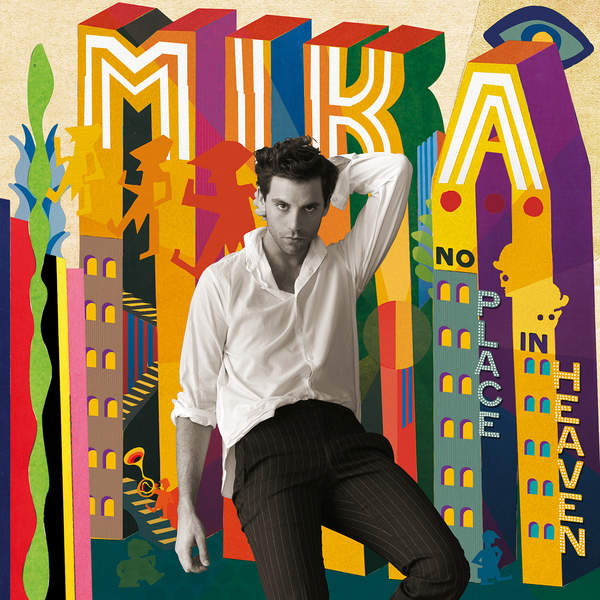
Mika – No Place in Heaven Album Review

cover600x600

Any mention of Mika usually results in association with his smash début single ‘Grace Kelly’. It’s hard to believe that it’s been eight years since ‘Grace Kelly’ topped the chart in the UK and multiple other countries around the world. Certainly, accompanying album, ‘Life in Cartoon Motion’ was also a huge success, spawning four top ten singles. Follow up album ‘The Boy Who Knew Too Much’ was also a success but lead single ‘We are Golden’ was its only real triumph with follow up singles bombing outside of the Top 40. 2012 saw the release of ‘The Origin of Love’, an imperceptible musical departure from previous albums but one which did signify greater maturity. The album limped into 24 in the UK album chart, hugely disappointing for an album worthy of a far better reception.

Spring forward to June 2015 and there was the surprise arrival of Mika’s latest offering, ‘No Place in Heaven’ which seemingly appeared out of no-where. Perhaps Team Mika should invest more on promotion and generating the buzz that first surrounded Mika at the beginnings of his career. Still, it has so far fared at least a little better than ‘The Origin of Love, peaking at number nineteen in the UK album chart.

‘No Place in Heaven’ is an archetypal Mika album, drizzled in camp abundance, littered with falsetto easy sing-along melodies, an over dependency on the bashing of piano keys, foot stomping percussion and containing more fun than a barrel of monkeys. It’s a return to the immaturity and simplicity of Mika’s first two albums, perhaps in a desperate attempt to regain some of his seemingly fading commercial magic. It’s an irresistibly catchy album full of well-written hooks, organic instruments and a strong vocal delivery from Mika as always; his extensive vocal range is certainly to be admired.

Album opener ‘Talk About You’ begins with a buzzing bass line before launching into a bouncy, buoyant pop-track with an irresistible melody. ‘All She Wants’ maintains the party atmosphere with ‘Mickey’-esque cheerleader hand claps, rich and layered harmonies and a rousing chorus. The album briefly visits the 1960’s with the springy and flamboyant ‘Oh Girl You’re The Devil’ whilst it all goes a bit Fleetwood Mac on ‘Rio’ It’s the up-tempo tracks which are most effective on this album; the ballads remove the fizz and energy of the album aside from the lovely ‘Good Guys’.

It feels like Mika is having a whale of a time and rightly so. He’s delivered a fine album, a master-class in song-writing as always and more than proves his worth. It’s not quite as robust as ‘Life in Cartoon Motion’ or as consistent as ‘The Origin of Love’ but it’s an admirable pop album which proves our UK artists are still something to be very much proud of.

Rating: 4/5.

‘No Place in Heaven’ is available now on Casablanca records.

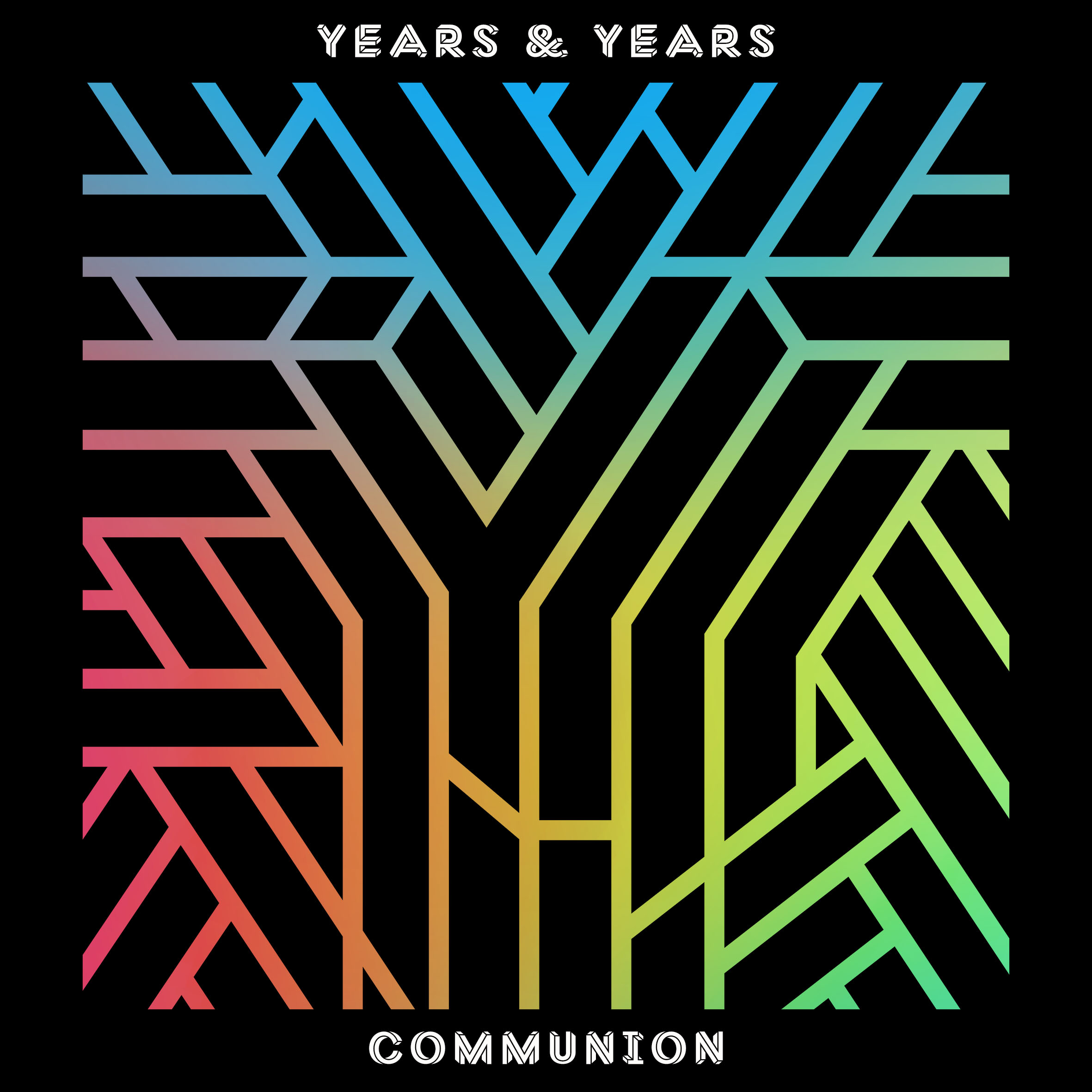
Years & Years – Communion Album Review

Years-Years-Communion

2015 has certainly been Years & Years’ well, year… The British electronica trio have witnessed two singles reach the top 3 (one reaching the Number One spot and the other soaring straight into Number Two, respectively), a number one album and a slot at this year’s Glastonbury festival.

Debut album ‘Communion’ is a pleasant, beguiling affair; a fusion of synth-pop, electronica and house music. Abundant with festival ready hooks, dreamy synths, squeaky bass lines and front man Olly Alexander’s wailing vocals, it differs from usual synth-pop band albums in that it avoids separating the edge usually associated with this genre and heartfelt music. It makes use of punchy backing tracks and lyrics bursting with sincerity, resulting in a mixed affair of successes and failures.

The album’s main successes are its most successful singles, the ever-endearing ‘King’ and detuned ‘Shine’ in addition to its ballads. Gentle synth-pop ballad ‘Eyes Shut’ utilises elements of gospel music, complete with jumpy piano chord changes and finger click percussion. ‘Without’ is a saccharine synth-pop moment but it works whilst closing track ‘Memo’ is heartbreakingly beautiful. There are other triumphs – ‘Worship’ is a genuine highlight with its dirty, punchy percussion and gospel-induced synths whilst second track ‘Real’ (which should have been the opening track instead of the dreary and uninviting ‘Foundation’) is memorable with its squeaky bass lines and stamping percussion.

Whilst it may challenge the norm associated with the synth-pop genre, it’s hardly innovative. The album’s main issue is that the more up-tempo tracks lack diversity and therefore become instantly forgettable. Moreover, whilst Alexander’s voice certainly transmits an enchanting vulnerability and uniqueness, there is the possibility this may not hold up quite as strongly live, free of the highly cherished auto-tune.

Nevertheless, the album contains enough charm to just about compensate for these teething problems. It is an enjoyable listen and serves as a fitting introduction to the band. Its utilisation of a range of genres is a charming device but this could be exploited much further.

It’s perhaps best to consider Years and Years as a work in progress but they are certainly one to watch.

Rating: 3/5.

‘Communion’ is available now on Polydor/Universal records.