Monthly Mixtape – June ’25

And just like that, it’s the end of another month! I’m excited to share these songs with you. I always am, but this month’s feel like they trump last month’s.

I’m writing this whilst feeling quite yucky, to be honest (a triple infection – yay!), so as is often the case when I’m rundown, I’m feeling particularly grateful for music.

Thanks as always for visiting – hopefully you find it interesting and maybe you’ll even discover something new!

Read More »

Monthly Mixtape – April ’25

Hey!
Hope you’re doing well and enjoying this glorious sunny weather, if you’re in the UK. It just makes everything feel that little bit brighter, doesn’t it?

I’m super excited to share these songs with you. It’s been another brilliant month of music, and the longlist was extensive. Going forward, I won’t be sharing the entire playlist—just the top 20 tracks I’ve been enjoying. That’s probably still quite a lot, but I couldn’t narrow it down any further!

I’m hoping there’s something here for everyone. Lots of Pop, of course, but also Soul, R&B, indie-pop, Country, and Folk.

I really, really appreciate every visit and read.

Love as always,
Marc

Read More »

Monthly Mixtape: November ’24

Reading Time: 3 minutes

Hey Hey!

I’m back with my final Mixtape of the year. Sorry I’m late (as always!) – life’s been busy.

A short but sweet one from me for November, therefore there’s no ‘Essential 5’ in this post. Lots of songs on repeat but these were my standouts.

I’ll be posting music still but have something different planned for December… (watch this space!)

As always, I really appreciate every visit and read so thanks for being here, and let’s dive in!

Read More »

Monthly Mixtape: September ’24

Reading Time: 8 minutes

I’m a little late again (sorry!). Life is crazy.
This is a really special set of songs for me and I am really excited to share these with you.

These blog posts typically take around an hour to an hour and a half to write so as always, I REALLY appreiciate every read / scan / visit. It makes it all worthwhile.

You can see my Top 5 at the top for a quicker version or read the longlist below.

Let’s dive in!

Read More »

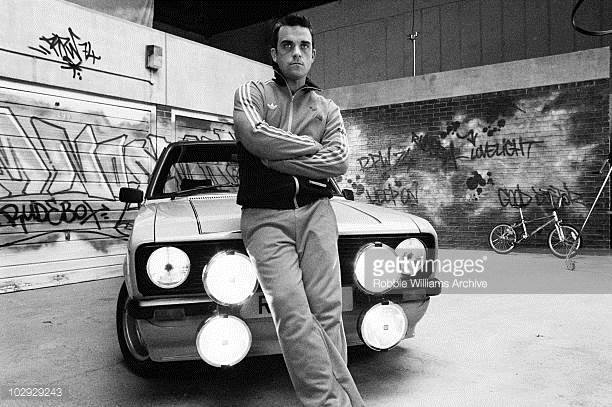
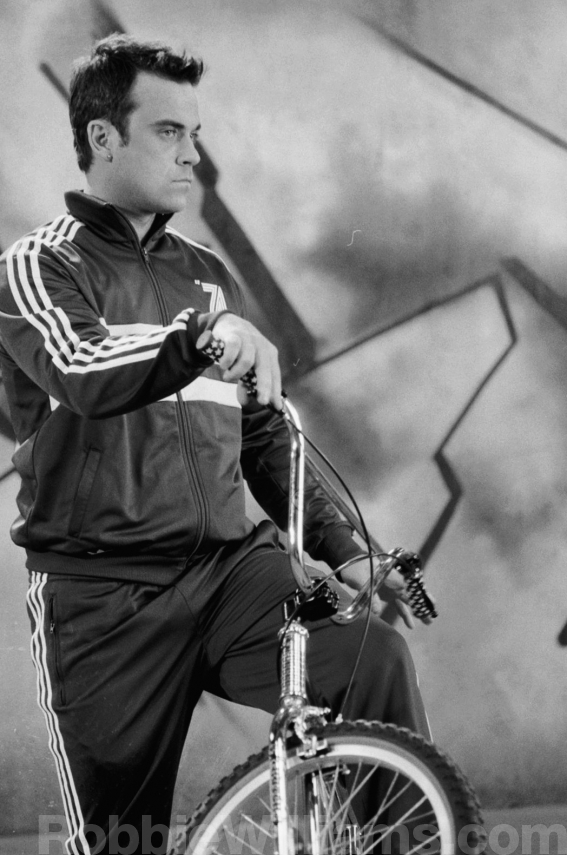
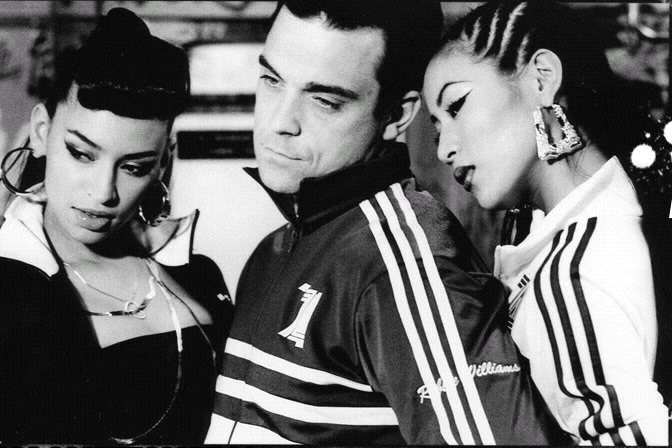
Rudebox – The hidden gem of Robbie Williams’ career.

Every artist is responsible for at least one dud album in their career. Whether its due to misjudgement of genre, poor selection of material or simply an identity crisis, every artist, no matter how credible has had their moment. It’s impossible and unrealistic to expect an artist to consistently produce an output of quality material, particularly over a long career.

Many consider Robbie Williams’s ‘dud’ moment to be ‘Rudebox’; his experimental, genre-hopping ‘wonky’ seventh album. It’s an album wrongly but most commonly judged by and remembered for its ill-judged release of the title track and the lack of Guy Chambers’ presence. Yet, given a chance, ‘Rudebox’ is an under-valued and underrated inclusion in Williams’ extensive discography. Over a decade later, it’s still his most endearing and experimental work and certainly holds the test of time with its electronic basis.

‘Rudebox’ was released in October 2006, just a year after Williams’ previous release, the well intentioned but uninspiring ‘Intensive Care’. ‘Intensive Care’ was a notable album for Williams, being the first which lacked the writing credits and production duty of Guy Chambers following a bitter and very public falling out. New collaborator Stephen Duffy tried his utmost best to fill his shoes but just stopped short of doing so. Together, the duo produced an album which was a testament to Robbie’s love of 80’s Pop. It was a brave and worthwhile attempt but aside from its strong selection of singles, the remainder of the album was simply filler and not much else.

‘Rudebox’ was Take 2 of encapsulating Robbie’s influences in an album and this time was a far more substantial effort. At a whopping 73 minutes and 16 tracks long and worked on with various writers, musicians and producers, the album was a bold statement from the outset. Rather than attempt to replace Chambers with a new writer/producer partner, this time, Williams embraced his newly found freedom and worked with whoever he bloody well wanted to work with. The result was a genre-hopping, brash album which covered Hip-Hop, R&B, Electronica, Pop, electropop, funk amongst many others. The album also featured the inclusion of 5 covers, a rarity for Williams.
The album got off to a shaky start when a newly-reformed Take That decided to resurrect their career around the time of the ‘Rudebox’ era. Where Take That had the stunning Barlow-ballad ‘Patience‘ which was warmly received by the public and didn’t stray too far from their signature sound, Robbie offered ‘Rudebox‘, an unorthodox venture into Pop/Hip-Hop. Williams’ image hardly represented this image and brand and the single was panned by critics with its cultural references and Williams’ incongruous attempt at rapping. The single fared well in the UK singles chart but is perhaps best summarised by Williams who once referred to it as being “made to feel as welcome as a ginger step child”. In hindsight, ‘Rudebox‘ wasn’t necessarily the wisest choice of lead single on a credibility level but it certainly generated discussion and a buzz around the album.

Just weeks later, the album was the subject of great controversy when Williams and ex-Take That manager Nigel Martin-Smith became embroiled in yet another feud. Martin-Smith instigated legal action over the lyrical content present in ‘The 90’s‘, in which Robbie accused his ex-manager of pocketing profits:

Now I’m managed by a prick                                                                                                   And I’m sixteen and chubby
Told me lose twenty pounds and you’re not Rob, you’re Robbie                                                 And if I see you with a girl then you’re gonna be sorry                                                           And if you don’t sign this contract get your bags from the lobby                                                 Such an evil man I used fantasise and take a Stanley knife and go and play with his eyes       I pray to the lord he won’t have any children, he didn’t spot Elvis leaving the building

Martin-Smith pocketed £300,000 for defamation of character, though the track remained, albeit with the offending verse removed and an instrumental break in its place.

Despite blurred reception to early promo of the album and the Martin-Smith controversy, Williams maintained his belief in his newly developed sound at the time:

“It has become something on which I’ve found myself. This is the right direction for me personally, this is what it is. I saw the whole Robbie thing coming to a close as it was, I couldn’t make another album like the ones I’d made, and this has just opened up a thousand other doors. What I am excited about now is making more music. I love all the stuff on the album, I love Rudebox, it’s a favourite song of mine. I don’t know what’s gonna happen now, I’m excited about getting it out there, but I’m more excited about making more.”

– Robbie Williams speaking of the album prior to its release

At times, ‘Rudebox‘ is best enjoyed with a tongue-in-cheek attitude whilst at others it can be enjoyed with genuine credibility. The non compos mentis approach to the title track continues through to the likes of ‘Keep On‘, an exceptionally fun but absurd pop track featuring the vocals of Lily Allen and genius production of Mark Ronson. It’s a chaotic and neurotic track on which Robbie raps over a cacophony of hip hop beats, giggling synthesizers and blues-esque guitars. Likewise, the self-deprecating nature of ‘Good Doctor‘ with its quirky jazz and tight percussion is another tongue in cheek moment a genius insight into Williams’ life. It’s Williams at his best as a wordsmith, with lines such as:

I went to the doctor to get a prescription
I told him little fact but lots of fiction
About a bad back that I ain’t got
He tried to sell me faith healing, I think not
I want Xanax, Vicodin and Oxycontin

Then, there’s the quirky, western-techno suffused ‘Viva Life On Mars‘, the tropical-soul of ‘Bongo Bong and Je ne t’aime plus‘ (a cover of two songs originally by Manu Chao) and the flat electronica of ‘Burslem Normals‘ (which after Rudebox, is probably the second worst track on the album).

On the whole, however, the album can be enjoyed on a far more credible level. ‘Lovelight‘ is one of the album’s highlights. A cover of Lewis Taylor’s 2003 funk track, Robbie’s gentle falsetto vocals in addition to Mark Ronson’s golden touch of production makes it a shimmering pop moment. It’s still a brilliant track and remains one of Robbie’s most underrated works.
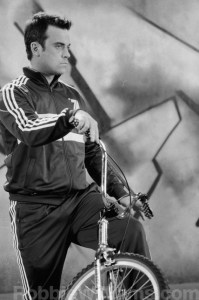
Likewise, the Pet Shop Boys collaboration ‘She’s Madonna‘ is pure genius and a prod at Guy Ritchie leaving ex-girlfriend Tania Strecker for the pop superstar. Madge herself was reportedly fond of the track and it is without a doubt one of the album’s finest moments, if not, its best. Had this been released as lead single instead of the title track, the album may be remembered more fondly. Musically inspired by Kraftwerk’s 1983 single ‘Tour De France‘, The Pet Shop Boys’ electronic production is flawless and the accompanying music video (which featured Williams as a drag queen) is similarly as endearing. Even this track couldn’t escape controversy, however when Ashley Hamilton (co-writer of Robbie’s earlier smash hit ‘Come Undone‘) claimed to have co-written the track but hadn’t received any credit.

The Actor‘ is in a similar vein to ‘She’s Madonna‘ but far darker in tone, documenting Williams’ dissatisfaction with celebrity culture and most notably, egotistical Hollywood superstars over a squeaky electronic track. ‘Never Touch That Switch‘ is a similarly filthy and paranoia-tinged electro track.

Overall, the covers present on the album also work well. ‘Kiss Me‘, a cover of Tin Tin’s 1982 single (previous Williams collaborator Stephen Duffy was a member of the band) is a flamboyant electro interpretation whilst ‘Louise‘ is a loyal and tasteful cover of the Human League track, with added gloss and fizz courtesy of genius William Orbit (responsible for the likes of All Saints’ ‘Pure Shores‘.) ‘We’re The Pet Shop Boys‘ is plastered with self-indulgent humour as Williams enlists The Pet Shop Boys to produce a track originally released by My Robot Friend as a tribute to the duo.

Two of the album’s most surprising highlights are ‘The 80’s’, and ‘The 90’s’.  These tracks are two bookends documenting Robbie’s experiences as a teenager in the 1980’s and of his rise to fame in Take That during the 1990’s. Out of the two tracks, ‘The 90‘s is superior, an astoundingly frank recollection of Williams’ time in Take That. Unlike his previous digs at his boy-band roots, this track would prove to be the first time he reflected on his past with far greater maturity than demonstrated previously and saw Williams finally accepting some responsibility for his bitter fall out:

And now it’s breaking my heart because the dream’s turned to shit
It ain’t broke but I’ll break it in a little bit
And I’m always in trouble but I’ve stopped saying sorry
Everybody’s worried, “What the fuck’s wrong with Robbie?
He’s not answering his phone, he’s not talking to me
I saw him on the telly at Glastonbury.”
And now I’m running away from everything that I’ve been
And I’m pissed and I’m fucked and I’m only nineteen
I can’t perform no more, I can’t perform no more
But the boys know I’m fucked and so they show me the door
And if truth be told I wasn’t fit enough to stay
So I put me head down and walked away.
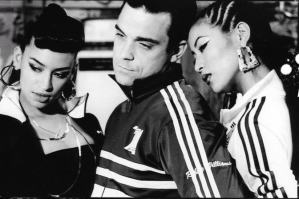
Originally written over one of Williams’ favourite songs, ‘Wichita Lineman‘ by Glen Campbell, Jerry Meehan later re-wrote the song musically to remove the sample. It’s a stark reminder of what a brilliant wordsmith Williams is – his ability to tell a story through music is compelling as ever on this track.

The album comes to a close with the serenity of ‘Summertime‘, a song written when Williams first left Take That and featured in a different form years earlier during the credits of ‘Mike Bassett: England Manager’. William Orbit’s makeover makes it an ambient, summery anthem and a fitting close to the album. Well, that’s until the grime-pop of ‘Dickhead‘ begins.  But the less said about that, the better.

‘Rudebox’ was Williams breaking out of the mould he’d unwittingly trapped himself in and him having the balls to make the album he wanted to make. It’s bold, brash and bloody brilliant and still as endearing as ever almost eleven years later.
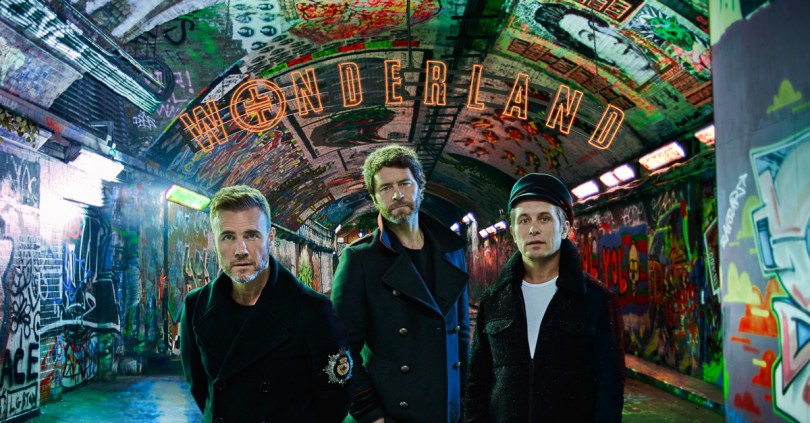
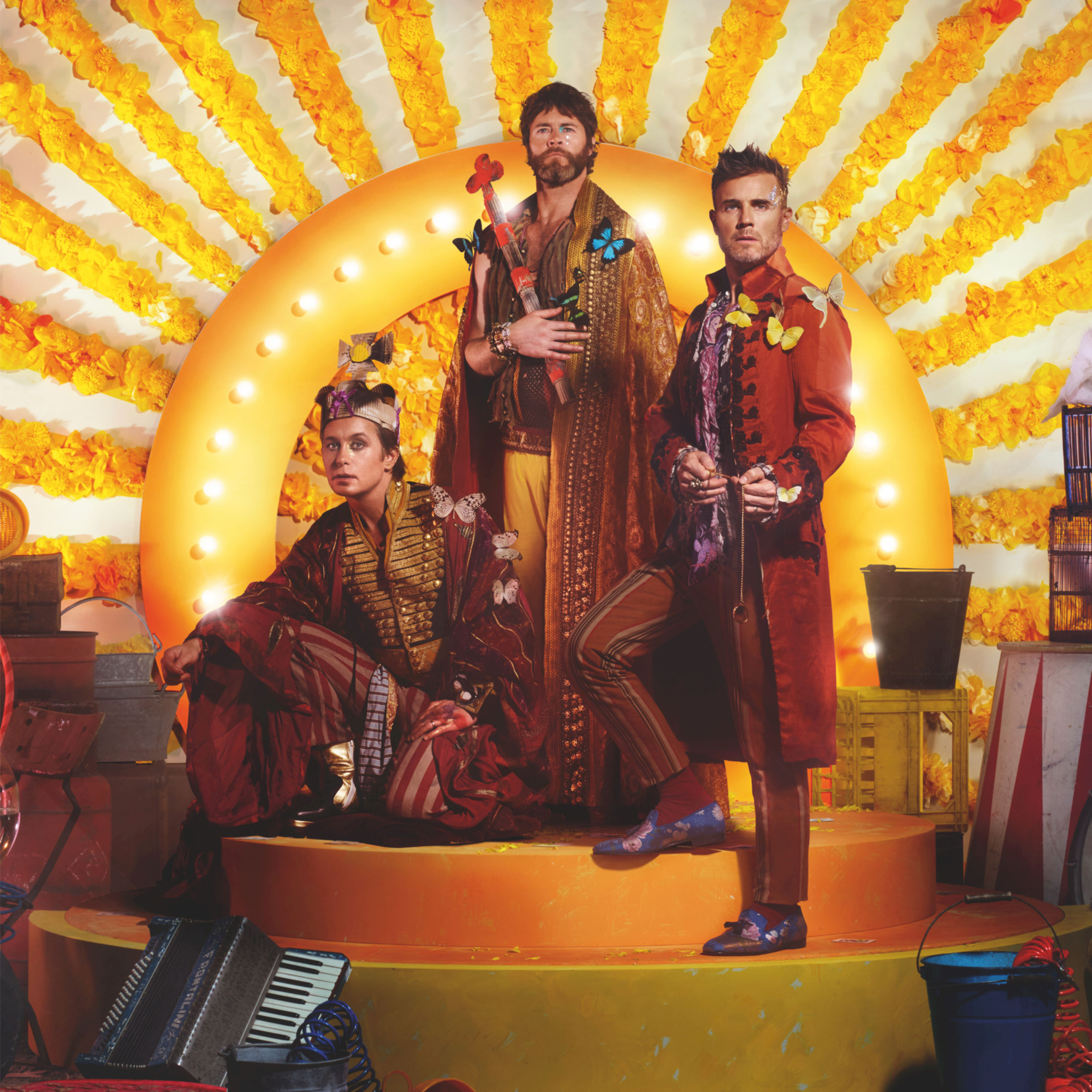
Take That – Wonderland Album Review

After the arguably unexpected success of first album as a trio ‘III’ and three years later, Europe’s favourite boy man-band have returned with an intriguing and some-what confused new album.

‘Wonderland’ is exactly what is says on the tin – it’s a flamboyant, dizzying album full of up-tempo Pop. But whereas ‘III’ was an amalgamation of Take That’s sound (the Pop-Rock of Beautiful World and The Circus, fused with the electropop of Progress and a fresh Pop sound) ‘Wonderland’ attempts a more brash, disco-pop/indie-pop sound. It’s more successful on some tracks more than others.

The album’s title track, which opens the album is arguably the best song present. Its oriental, simmering introduction evolves into a funky 1980’s themed track. Musically, its captures the spirit of material by The 1975, though its lyrical content makes it stop short. On similar levels of camp abundance, ‘Lucky Stars‘ is effortless pop perfection with its squeaky synthesizers whilst ‘And The Band Plays‘ relies on bizarre co-ordination between electronic instruments and a brass band. It’s all undoubtedly a lot of fun, though it does scream ‘Mid Life Crisis’.

Singles ‘Giants‘ and ‘New Day‘ are classic Take That and are sturdy tracks with soaring choruses. In fact, the album’s best moments are when the band relies on their well-known and well-loved sound. ‘Hope‘ is a stunning ballad in a similar vein to the band’s best ballads ‘Said It All‘ and ‘The Circus‘. ‘The Last Poet‘ lyrically returns the Take That boys back to the top of the game with the beautifully simple ‘For you I can’t find words’ whilst musically it matches the triumph of ‘The Circus’ and ‘III’ albums. Then there’s the electronic brilliance of ‘Every Revolution‘ which serves as ‘Affirmation‘ Part II. Donald’s vocals shine as always whilst dizzy synthesises soar in the background. It’s a lovely track, though one bound to be lost in the fun of the rest of the album.

The fact is, for any other band or artist, ‘Wonderland’ would be a triumph. But after years of solid pop albums, for a Take That album, it just stops short of being another classic. It’s a little too brash – a little too carefully plotted for arenas to stand on its own as a successful album. Then there’s the lyrics. Much of the album documents getting over unmentioned issues which is nice enough but it also feels a little half-arsed at times. ‘Every morning it is a brand new day’ is a nice enough lyric, though by the end of ‘New Day‘, one feels like telling Barlow ‘Tell me something I don’t know’. At times, the album feels over-brash, over-thought and over-produced. On many of the ballads, Barlow stands too close for comfort to the microphone, presumably to capture a raw sound, though it just sounds like he needs to take a step back.

For all its flaws, ‘Wonderland’ is not a bad album. Far from it, in fact. There’s plenty of substantial material here and is a fun listen. It just happens that it isn’t Take That’s best work.

Rating: 3/5
Highlights: Wonderland, Giants, Hope, The Last Poet, Every Revolution.


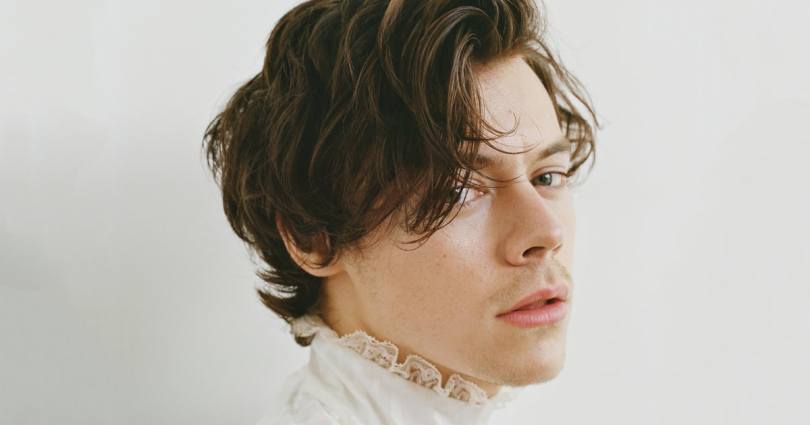
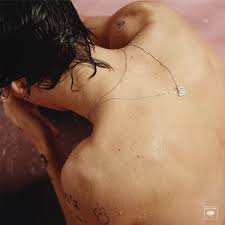
Harry Styles – Harry Styles Album Review

Heartthrob, the ever-elusive, ex-boyband member and full-time indie kid Harry Styles has delivered a solid album of Beatle-esque Rock n Roll. From the gentle psychedelia of album book-ends ‘Meet Me in the Hallway‘ and ‘From The Dining Room Table‘ to the energetic and chaotic rock of ‘Carolina‘ and ‘Kiwi‘, it’s an album which avoids isolating Directioners but one which enables Styles to win a new legion of fans.

Strictly speaking, it’s not entirely an original album. ‘Carolina‘ is essentially Stuck in the Middle with You‘, the stunning ballad ‘Two Ghosts‘ (reportedly about Taylor Swift) comes dangerously close to ripping off The Allman Brothers’ ‘Melissa‘, the acoustic ‘Sweet Creature‘ is The Beatles’ ‘Blackbirdand massive ballad ‘Sign of The Times‘ is basically Bowie. It’s evident that Styles has used his iTunes collection as a stimulus but this is hardly a criticism; it’s refreshing to hear him breathe his interests and passion into his own music.

Vocally, Styles has never sounded better. From the growls of ‘She’s a good girl’ on ‘Carolina‘ and ‘She’s having your baby’ on ‘Kiwi‘ to the reverb-drenched vocals on ‘Sign of the Times‘ and ‘Woman‘, there’s no auto-tune in sight. His vocals are tender when required and more fierce on the heavier material. Similarly organic, the album generally avoids over-production and instead relies on quality songwriting, clear guitar strums, luscious layered vocals and rich string arrangements.

When things get a little too comfortable, the album is punctuated by a deceptive ethereal introduction to ‘Only Angel‘ which evolves into a hand-clapping, foot-stopping rock smash and the hip-hop inspired ‘Woman‘ – perhaps the album’s most intriguing moment.

It’s a solid album and at just ten tracks long, wisely adopts the quality over quantity approach.

Rating: 5/5
Highlights: ‘Carolina’, ‘Two Ghosts’, ‘Ever Since New York’, ‘Woman’.


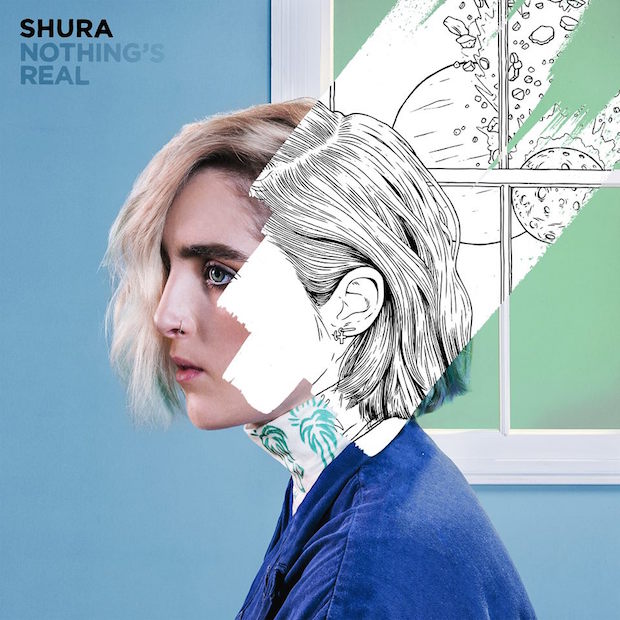
Shura – Nothing’s Real Album Review

ShuraNothing

It’s been over two years since Shura’s ‘Touch‘ became an internet sensation for its gentle, airy tones and simple, yet endearing video which featured her and her friends kissing, regardless of gender. Follow up tracks ‘Indecision‘ and ‘2Shy‘ simply amplified the buzz  which resulted in Shura (real name Alexandra Denton) being longlisted in the BBC’s Sound of 2015 poll and extensive airplay on Radio 1. It’s probably fair to say that demand for further material escalated quicker than Shura’s musical output which resulted in sporadic single releases and an eagerly awaited debut album. Finally, ‘Nothing’s Real’ has catapulted onto the music scene, however and brilliant it is too.

Musically, it’s fun and uplifting, mimicking 80’s synthpop yet its lyrics are more introspective and darker than the sugary melodies and uptempo tracks let on. Reviews consistently compare her work to ’80’s Madonna but it is unfair to box her into the confinements of this comparison. There are also moments of Janet Jackson, Blood Orange, Prince, Haim & Phil Collins scattered throughout but the album provides enough scope for her own distinct sound to shine through.

It’s undoubtedly Pop music, yet it’s not Pop music as that defined by global superstars such as Taylor Swift & Katy Perry. It’s more an off-centre, awkward Pop tinged with electro elements and far greater sincerity in its lyrical content than any Pop superstar could ever achieve.

For the most part, the album utilises gated percussion, shimmering synths and funk-influenced bass lines to mirror some of the best, catchiest Pop music of the ’80’s. This is the case on tracks such as ‘Indecision‘ (Shura’s ‘Holiday‘) and absolutely brilliant ‘Tongue Tied‘ (one of two tracks worked on by Pop mastermind Greg Kurstin and a track on which Patrice Rushen’s influence is clear) and rather space-y, sci-fi-influenced closing track ‘White Light‘. It’s deceptively catchy, however. Opening track ‘Nothing’s Real‘ could almost be placed in disco territory with its clinking percussion, strong riffs and catchy melodies, yet on closer inspection, the lyrics detail the more intimate matter of a panic attack. Much of the album follows suit – its uptempo music at odds with its awkward, realistic and relatable lyrical content detailing matters such as the end of a relationship, high school crushes and coming of age.

The uptempo fun continues on one of the 2016’s best Pop releases ‘What’s It Gonna Be‘? the other collaboration with Kurstin which still sounds as fresh and uplifting as on its first listen. Whilst mention of it fitting perfectly on a John Hughes movie soundtrack is becoming something of a cliche, this is certainly the case.

Elsewhere, the album is given time to breathe on gentler tracks. The analogue synthesizer sound present on ‘Touch‘ still forms part of its appeal with its breathy vocals and simple chord transition whilst the moody ‘Make It Up‘ feels as though it belongs on a Cyndi Lauper album. Then there’s the shimmering, summery ‘2Shy‘ which remains one of Shura’s best tracks. The awkwardness and shyness of the track (“Maybe I’m just 2Shy to say it, we could be more than friends…”) is somehow perfectly captured in its fizzy production and sweet vocals.

The album’s best track, however, is the gorgeous synthpop ballad ‘Kidz ‘N’ Stuff‘ which is reminiscent of Janet Jackson, Jimmy Jam & Terry Lewis’s best work circa ‘Rhythm Nation’. ‘How can I not be everything you need?’ her syrupy, whispered vocals pine over twinkling synths, moody guitars and crashing percussion. It’s tender, it’s relatable and it’s a golden moment on the album which surprisingly escalates into an incredible, spine-tingling electro interlude into the Pop perfection of ‘Indecision‘.

The album employs the use of spaced-out-synths in other areas too. Eerie, psychedelic interludes, blanketed with audio clips lifted from private home movies [(I) and (II)] punctuate the album perfectly. Indeed, the album finishes in this manner on the gorgeous, de-tuned ‘311215‘. It’s an additional reminder of how personal the album is whilst also touching on one of its key themes – time.

Another of the album’s highlights is the new-wave influenced ‘What Happened To Us?’ which somehow straddles Fleetwood Mac’s ‘Gypsy‘ and Don Henley’s ‘Boys of Summer‘ simultaneously. It is perhaps the one song on the album which breaks from the programmed instrumentation and instead utilises a full band with wailing guitars, fierce percussion and a triumphant chorus. “I’m no child but I don’t feel grown up” Shura almost growls over its fierce instrumentation.

It’s an album unconfined by fillers or impersonal production by superstar producers where Shura herself is responsible for the album’s concept, creation and curation, often assisted by Athlete’s Joel Pott. Every track is killer and its production is tight yet captivating.

One of the the must-have albums of 2016.

Highlights: What’s It Gonna Be?, Touch, Kidz ‘N’ Stuff, Indecision, What Happened To Us?, 2Shy
Rating: 5/5

‘Nothing’s Real’ is available now on Polydor Records.

Raleigh Ritchie – You’re a Man Now, Boy Album Review

Raleigh_Ritchie_-_YAMNB

If you aren’t already familiar with Raleigh Ritchie (real name Jacob Anderson) in terms of music, chances are you’ll have encountered him as an actor. He has developed a name for himself starring in various high-profile roles over the last four years including Omen in the film Adulthood, Grey Worm in Game of Thrones and Dean Thomas in Broadchurch. He is now in the process of building a whole new side-career for himself as a singer-songwriter, set off to a promising start by single ‘Stronger than Ever‘ which has become something of a staple as dramatic background music on reality television in addition to receiving much airplay on the likes of Radio 1.

‘This is no p***-take’, sings Anderson on ‘Never Been Better‘. Indeed, ‘You’re a Man Now, Boy’ is a determined and well-crafted album which avoids filler album tracks, resulting in an intriguing album from start to finish. It’s an album which explores the pertinent and stimulating themes of confusion, depression and vulnerability through the on-trend genre of alternative R&B. Threaded together by sweeping strings, brass instruments, simmering synthesisers and fierce live percussion, it’s dramatic, bold and powerful, delving into elements of  R&B, Soul, electronica and hip-hop.

The likes of ‘Stronger than Ever‘, ‘Bloodsport‘ and ‘Never Been Better‘ are explosive and emotive works which showcase Anderson at his best, featuring thunderous percussion and sweeping strings not dissimilar from Massive Attack’s ‘Unfinished Symphony‘. They are bold and soulful, breaking out from the norm yet remaining contemporary.

Elsewhere, the album possesses a lighter tone which punctuates the album nicely. Quirky and de-tuned synthesisers skip playfully on ‘The Greatest‘ and ‘A Moor‘ whilst Anderson’s love of hip-hop is evident on ‘Cowards‘, a buoyant track abundant with frolicking samples, programmed percussion and a gorgeous neo-soul middle-eight. Likewise ‘Young & Stupid‘ addresses the naivety and recklessness of youth through lyrics such as “I’ll be a star, I’ll be the boy who lived, Taking my car and driving it off the bridge” over hip-hop piano riffs. Then there’s the catchy dance-R&B of ‘Keep It Simple‘, a breezy collaboration with grime act Stormzy which provides some much-needed light relief.

The album is closed perfectly with the tender ‘The Last Romance‘, a mellow R&B ballad which documents an ‘us against the world’ relationship over driving, barely audible percussion, soulful layered vocals and gliding keyboards.

Anderson’s vocals aren’t necessarily the most powerful, yet they are a perfect match for the rich and luscious soundscapes featured here and at times are blissfully soulful.

As the album comes to a close, it is evident that the album is worth far more than its #32 position in the UK album chart. It may not be perfect, but it’s sturdy, compelling and fantastically-written, addressing powerful themes through contemporary alternative-R&B. Most importantly, it is an album with soul and a personality – a rare feat in today’s music.

Rating: 4/5.
Highlights: Stronger than Ever, Bloodsport, Keep it Simple, Never Been Better, Cowards, The Last Romance.

‘You’re a Man Now, Boy’ is available now on Columbia Records.

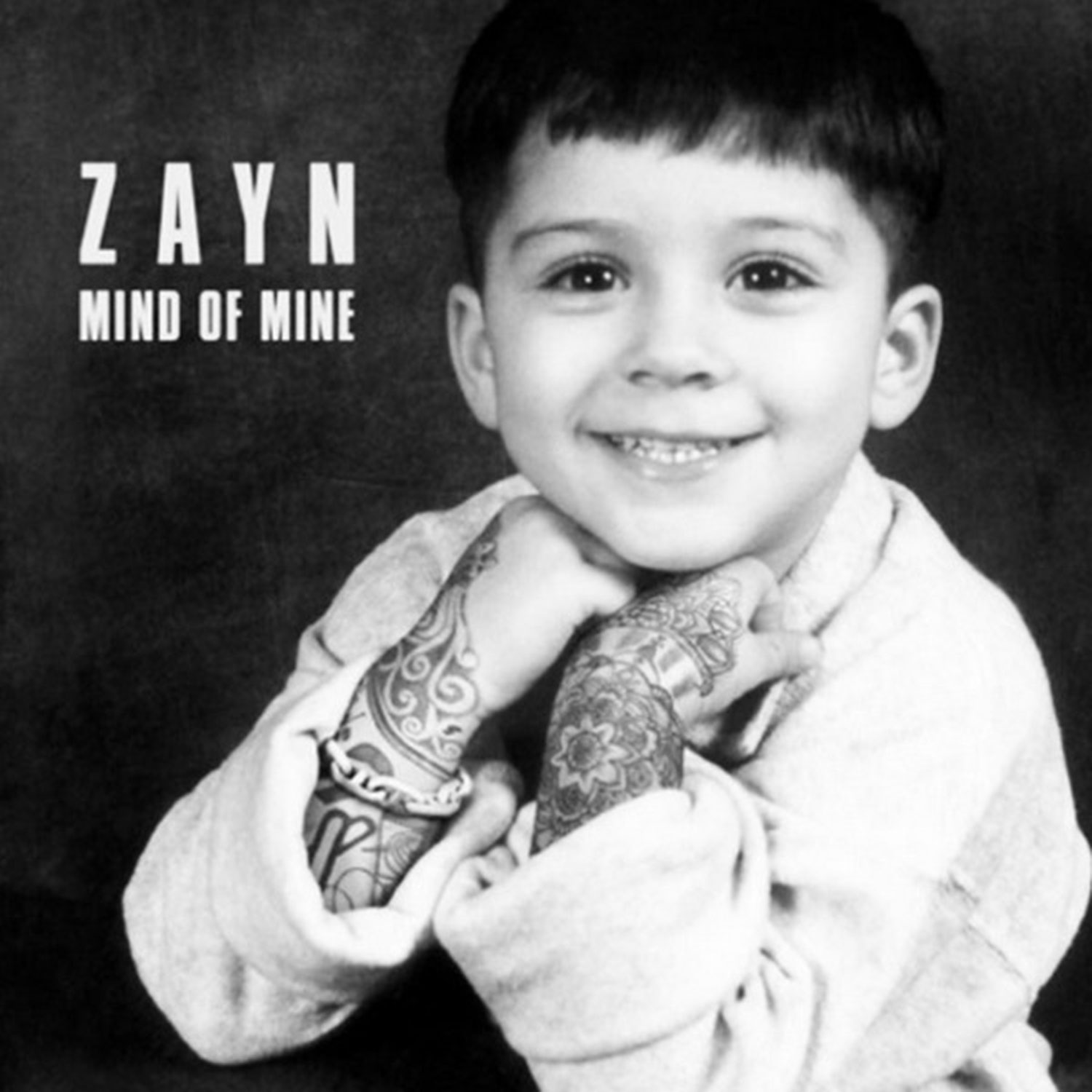
Zayn – Mind of Mine Album Review


Zayn_Tonight_Show__2696412a

The past year has been something of a roller-coaster for Zayn Malik. A year ago, he broke millions of fans’ hearts when he announced he would be leaving One Direction to pursue the life of a ‘normal 22 year old’. It later emerged that he had been secretly recording solo material and his animosity towards his boyband days was soon made crystal clear in numerous interviews in which he took multiple swipes at the band and their music.  A shock split with fiancée Perrie Edwards soon followed in addition to multiple venomous and highly publicised Twitter spats. Still, these potential career suicide-moments have been long forgotten since lead single ‘PILLOWTALK‘ rocketed in to the top of the charts of over a dozen countries.

As expected, ‘Mind of Mine’ is a world away from Malik’s One Direction days. Gone is the pop-punk and stadium-pop and in is alternative R&B, catchy dance-pop and elements of Soul. It’s slick, polished, consistent and mature with reverberating vocal samples, hip-hop beats and effect-drenched vocals scattered throughout. It’s a natural transition into R&B music similarly to Justin Timberlake’s début ‘Justified’ fourteen years ago.

‘Mind of Mine’ excels from start to finish with barely a blip. Overall, it possesses a moody and brooding tone with sexualized lyrics and a deeply-textured sound, resulting in a cohesive catalogue of material on which Malik revels in his newly-found freedom. Lead single ‘PILLOWTALK’ remains a stand-out track with its its thunderous percussion, reverberating synths, wailing guitars and Zayn’s sweeping vocals. The rest of the album follows suit with the sullen yet dreamy ‘dRuNk‘ featuring Malik’s multi-layered harmonies boasting ‘I’ve been drunk all summer’ over unsettled R&B percussion, summery synthesisers and weeping electric guitars. ‘rEaR vIeW‘ is similarly a sulky progressive R&B track with sparse production and a Timbaland-like chorus. Then there’s the beautifully haunting ‘iT’s YoU‘ – a gentle downtempo ballad on which Zayn’s stunning falsetto soars over jittering synths, a droning organ, hip-hop beats and crunching piano chords.

Just when things need shaking up a bit, the Beatle-esque piano chords of ‘fOoL fOr YoU‘ arrive. It’s a pleasant piano ballad on which Malik’s vocals really glisten and are relatively free of the over-production the rest of the album is laden with. The track mirrors The Beatles in both song-writing and production and it punctuates the album nicely.

Malik also refreshingly incorporates his cultural heritage into the album in the form of haunting interludes. The opening title-track features soaring Qawwali-influenced melodies over piano chords and clonking synthesiser arpeggios. Similarly, one of the album’s unexpected highlights is ‘fLoWer‘, a gorgeous acoustic interlude influenced by Malik’s upbringing as a British Pakistani Muslim. He executes his voice in Urdu, his father’s native language and warbles over eerie synthesisers and gentle acoustic guitars. It’s an innovative and utterly unique inclusion on an R&B album which works perfectly.

The dance-pop moments also work well, implemented best on ‘sHe‘ with its brilliantly catchy hook, slick production and buoyant production. It is miles away from the stadium pop-rock One Direction produced and is a steer in the right direction (pun not intended), reminiscent of some of Justin Bieber’s best moments on ‘Purpose’. Then there’s the soulful ‘tRuTh’, a track reminiscent of 70’s Soul with giggling synthesisers, a retro-guitar sound and distorted production. Featuring a brilliantly sunny chorus with sugary falsettos, it’s one of the album’s understated highlights.

Malik always had the advantage of having the strongest voice in One Direction and he exhibits his syrupy vocals perfectly on the album. His vocals are sturdy and powerful throughout, whilst his falsetto is his real gift, fluttering delicately over meticulously programmed instrumentals.

A bold and compelling album which validates Zayn’s transition into a credible recording artist.

Rating: 5/5.
Highlights: ‘PILLOWTALK’, ‘dRuNk’, ‘iT’s YoU’, ‘sHe’, ‘fLoWer’, ‘tRuTh’

‘Mind of Mine’ is available now on RCA Records.