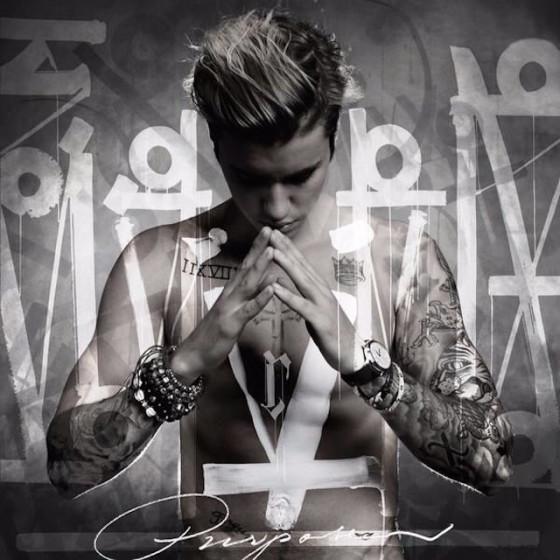
The past three years have been a somewhat turbulent time for Justin Bieber. The former teen star descended into a very public meltdown, his once wholesome image tarnished by an extensive inventory of legal issues involving reckless behaviour, drug usage, dangerous driving and other general brattish behaviour. It appeared that Bieber was on a mission to destroy his career and disappear from the music industry, never to be seen again. 2015, however, has been a year of incredible transformation. His triumphant musical comeback has been a surprise to many; singles ‘Where are U now’ and ‘What Do You Mean?’ have been warmly received by critics and fans alike. It appears J-Biebz has got his life back on track.
Bieber really comes into his own on ‘Purpose’, an exuberant affair abundant with euphoric dance-pop. The bubblegum pop has been replaced by material which is far more mature and substantial in nature. It’s still undoubtedly pop music but it contains far greater depth, borrowing influences from EDM, tropical house and R&B.
Much of the album is in the same vein as the impossibly catchy ‘What Do You Mean’, built around electro/pitch-moderated samples, slick beats and breathy synths. Latest single ‘Sorry’ is a prime example, utilising squeaky synths and samba-like percussion to create a buoyant R&B track. ‘Company’, one of the album’s highlights, is a buoyant tropical-house flavoured track with bouncy percussion, breezy keys and vivacious dance bass riffs. It’s low-key but effortlessly catchy and reinforces that sometimes in pop music, simplicity is pivotal.
Elsewhere, the album is softer, mimicking slow-jam nineties R&B. Album opener ‘Mark My Words’ is an understated but effective introduction. Featuring little more than broken fragments of Bieber’s vocals and tender piano chords, it doesn’t particularly lead anywhere but it’s pleasant enough. ‘I’ll Show You’ is built around jittery high-pitched vocal samples and trap-like beats, resulting in a dark but effective R&B track. Dainty acoustic guitar arpeggios are the main feature of ‘No Pressure’, a waltz-like R&B track featuring a rap from Big Sean whilst ‘No Sense’ follows the same formula but is a little heavier. On ‘No Sense’, Bieber’s vocals have never sounded cleaner and they ride the minimal instrumentation beautifully. The song is let down however by an excessively auto-tuned and dispensable segment from Travi$ Scott. ‘The Feeling’, a collaboration with American singer-songwriter Halsey is another of the strongest tracks on the album, comprised of tremulous percussion and a catchy, melodic hook.
At times the album does come close to regressing back to Bieber’s bubblegum pop. Whilst an enjoyable addition, soft and heartfelt piano ballad ‘Life is Worth Living’ is rather saccharine and carries a naivety reminiscent of his earlier material. Likewise, Ed Sheeran collaboration ‘Love Yourself’ is a welcome break from the intensity of the album but does feel rather feeble compared to the rest of the album. ‘Children’ is the most EDM-influenced track on the album (aside from ‘Where are U Now’) but is one of the album’s weakest moments. The corny and frankly rather creepy lyrical content detracts from Skrillex’s scatty production and is reminiscent of Bieber circa 2011.
There is one efficacious ballad on the album, however. Title track ‘Purpose’ is a gentle piano ballad which closes the album beautifully. Whilst it is almost tarnished by the bizarre addition of spoken clips of Bieber discussing his personal life, it thankfully holds its own.
‘Purpose’ is the first of Bieber’s releases to finally serve as a true reflection of himself and his own musical influences. It’s bold, buoyant and enchanting from start to finish.
Rating: 4/5
Album Highlights: I’ll Show You, What do you mean?, Company, Where are U now, No Pressure
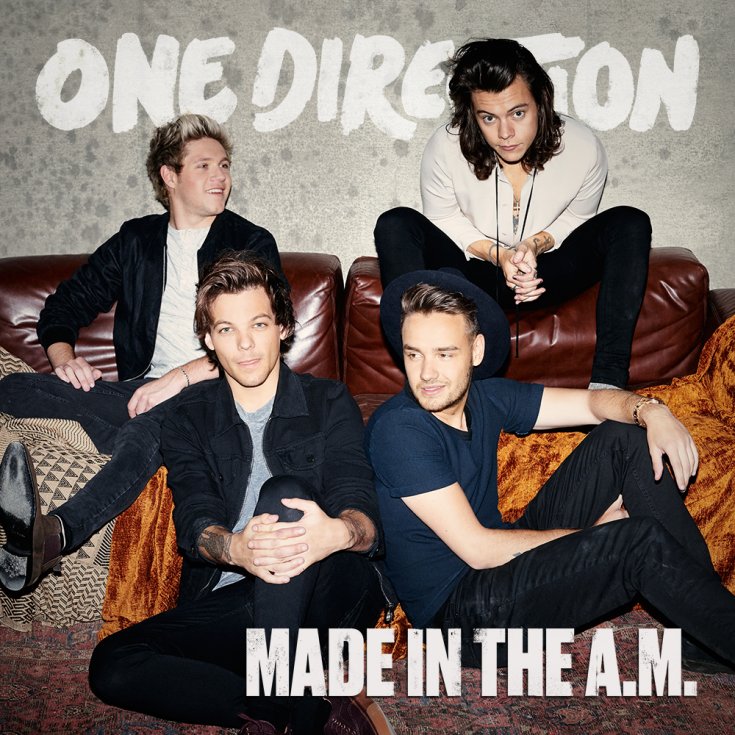
Love or hate them, there is no denying One Direction’s footprint on and significance in Pop history. In a whirlwind five year career, they have won five Brit awards, four MTV Video Music Awards, cracked the U.S and smashed records all over the world. They have been without a doubt one of the most successful exports of the UK; the biggest band since The Beatles and Simon Cowell’s superlative product.
The release of fifth album ‘Made in the A.M.’ carries an assortment of emotions for a multitude of reasons. It’s the first without Zayn Malik since his departure earlier this year and it’s the band’s final album before their hiatus. Don’t be fooled into thinking the album has taken a slap-dash approach, however. It is quite the contrary; an enthralling amalgamation of tracks of different genres.
Overall, the album largely follows the same formula as previous One Direction albums. Songwriting duties are largely handed to long-term collaborators Julian Bunetta, Jamie Scott and Ed Drewett, with co-writing from all band members. Unlike previous albums, however, there is no material donated by superstar singer-songwriters. Members of McFly and Snow Patrol in addition to Ryan Tedder of OneRepublic & Ed Sheeran have all previously donated songs to the band but are noticeably absent from ‘Made in the A.M.’ Instead, the album is formed by a close-knit group of long-term One Direction songwriters.
Album opener ‘Hey Angel’ is a euphoric stadium-rock-influenced Pop track and is one of the best songs of One Direction’s career. It’s the band’s ‘Bittersweet Symphony’, comprised of rich orchestration, heavy stop-start percussion and is built around very few chords. ‘End of the Day’ captures similar levels of euphoria through an irresistible hand-clap Chorus. Lead single, The Police-influenced ‘Drag Me Down’ is still a powerful track with its funky reggae-styled bass riffs and its dubstep-informed chorus. Likewise, second single ‘Perfect’ is an emotive, anthemic track featuring reverberating sounds and punchy percussion whilst ‘Never Enough’ utilises a mesh of acapella vocals, a shuffling beat and Jack Johnson-like guitar strums before launching into a heavier chorus. Many elements are tossed into the mix including brass instruments, distorted synthesisers and Michael Jackson Dirty Diana-esque ‘Come on!’s’. ‘Olivia’ is another of the more enjoyable tracks from the album on which the One Direction lads have a whale of a time cramming as many syllables as possible into the verses. It’s the closest the band have come to imitating The Beatles musically and is effortlessly catchy. The band channel Fleetwood Mac on another of the album’s highlights ‘What a Feeling’, comprised of gorgeous layered harmonies and funky bass and guitar riffs. In fact, the band’s harmonies have never been cleaner and they play a significant role in the album’s success.
As always, the ballads form some of the album’s best moments. ‘If I Could Fly’ is a gentle ballad comprised of little more than a piano, cello and strings whilst ‘Infinity’ is a lovely rock-ballad which mimics Coldplay circa 2005, sounding uncannily like ‘Fix You’ during its explosive climax. The folk-infused ‘I Want to Write You a Song’ is beautifully simple and a lovely moment in the album. ‘Long Way Down’ is one of the album’s less commercial ballads but is a particular highlight. Led by gentle guitar strums, and Country-influenced wailing guitars with a low-key Chorus, it’s an exquisite addition to the album and is at times reminiscent of some of Robbie Williams and Guy Chambers’ best material in the late nineties. Another stand-out moment is found in ‘Love You Goodbye’, a track which opens tenderly with gentle piano chords & jittering synths before evolving into an emotive pop-rock ballad. It’s classic One Direction but captures far more maturity than their previous work. The weeping electric guitars which frame the second and third chorus is a beautiful addition and it is without a doubt one of One Direction’s best tracks.
Album closer ‘History’ is an enjoyable acoustic guitar-based track and whilst it rather bizarrely sounds like a Disney musical track, it closes ‘Made in the A.M.’ perfectly.
It’s clear the lads have used their influences and Pop heroes to shape the album. Michael Jackson, Jack Johnson, Coldplay, The Verve and Fleetwood Mac are just some of the artists mimicked but its this diverse range of influences which makes the album so rich in various genres.
The album is not quite as compelling as ‘Four’, but is a diverse and hugely enjoyable album nevertheless.
Rating: 4/5
Album Highlights: Hey Angel, Perfect, Long Way Down, Olivia, What a Feeling, Love You Goodbye.
‘Made in the A.M.’ is available now on Columbia/Syco records.
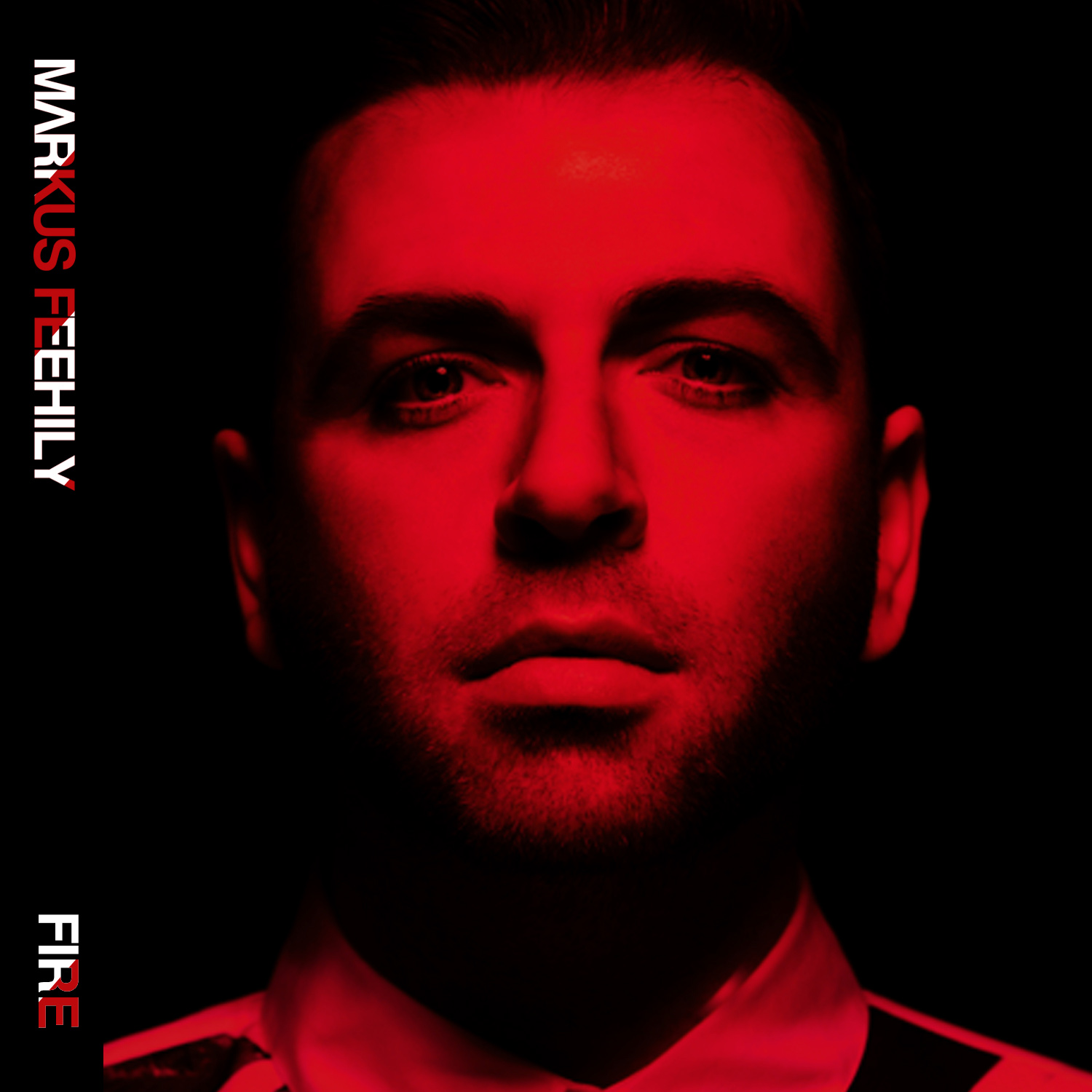
There comes an inevitable point in the career of a boyband where members are eager to test the waters alone, free of the many musical and image restrictions boybands are lumbered with. Westlife enjoyed an immensely successful fourteen year career – one of the longest reigns in boyband history. During their career, they sold over fifty million records worldwide, achieved fourteen number one singles in the UK and released ten successful albums. Furthermore, Westlife were one of very few bands to survive the loss of a band member, successfully continuing a further eight years following Bryan McFadden’s departure in 2004. Whatever the mainstream perception, Westlife were without a doubt a sturdy and incredibly successful enterprise. Upon their departure in 2012, Shane Filan wasted no time in releasing solo material (presumably due to his well documented bankruptcy) to great success. Mark Feehily (or Markus Feehily as he is now known) on the other hand, took a brief hiatus before writing and recording his début album.
‘Fire’ is a dark, emotive affair; eleven tracks of sheer power. Whilst some moments are reminiscent of Westlife’s final album ‘Gravity’, overall it takes an experimental approach, resulting in a far more mature, contemporary and bold assortment of tracks than were ever found on any Westlife album. Feehily is finally able to spread his wings and thoroughly showcase his robust vocals. And that he does on ‘Fire’, from start to finish.
Album opener and lead single ‘Love is a drug’ is a dark track on which Feehily’s emotive vocals soar above sweeping ’60’s strings, a gospel choir and drum and bass influenced percussion. Evidently influenced by Massive Attack’s ‘Unfinished Symphony’, it’s a compelling opener and one which deserved to fare far better in the charts. Much of the album follows a similar formula. “I wish that life came with instructions”, Feehily croons on ‘Wash The Pain’, a track abundant with synthesisers, slamming percussion and reverberating vocals. ‘Cut You Out’ features moody guitar riffs, brass instruments, fidgety electro samples and rich gospel harmonies whilst ‘Butterfly’ ventures into dance-pop territory and utilises a re-recording of Joni Mitchell’s ‘Big Yellow Taxi’. Considering Mitchell’s lyric ‘Don’t it always seem to go that you don’t know what you’ve got ’till it’s gone’ is perhaps one of the most sampled lines in history, ‘Butterfly’ is hardly innovative. It does contain admirable levels of fervency, however and is one of the album’s stand-out moments.
Elsewhere, the album comes close to entering Westlife territory but is overall avoided through enthralling electronic production and Feehily’s emotive lyrics. ‘Back To Yours’ is a stunning piano ballad on which Feehily gives his best vocal performance yet. It contains a vulnerability and enchantment Westlife could only have dreamed of achieving. ‘Love Me Or Leave Me’ is a driving pop-rock ballad featuring Coldplay-esque piano chords whilst closing track ‘Casablanca’ features tinkling pianos and gorgeous orchestration. As with any album, some familiarity is welcomed and therefore the most Westlife-like track on the album, ‘Only You’ is a tender and welcomed moment. A gorgeous pop-rock ballad comprised of gentle piano chords, soft acoustic guitars and Feehily’s incredible falsetto, it enables the album to breathe after the intensity of the darker material present.
The album’s only flaw is that it desperately lacks one or two tracks of a lighter tone. Whilst there are more up-tempo tracks featured, at times the intensity is in danger of becoming overbearing. Nevertheless, the personal nature of the album gives it consistency – a necessity on all of the best albums.
An audacious and personal album abundant with emotion.
Rating: 4/5.
‘Fire’ is out now on Harmoney Entertainment records.
It’s tough to stay at the top. Very rarely does an artiste or band remain successful for the entirety of their career. Most encounter a fall from grace and are reduced to playing dingy clubs or worse still, hanging up their microphone for good. There are exceptions of course. Kylie, Madonna, Take That etc. have all proved their durability and continue to release top selling albums and sell out arenas and stadiums across the world.
Being a band whose peak lies in the distant past of the late 1980’s, Duran Duran are more than aware of the challenges of remaining relevant in a youth-obsessed industry. They quickly discovered a long and fruitful career lies in reinvention; through updating both sound and image but retaining identity. Over the past fifteen years, they have sought to remain current through collaborating with a diverse range of artists. Previous album, 2010’s ‘All You Need Is Now’ was produced by Mark Ronson whilst Timbaland and Justin Timberlake injected R&B/Hip Hop into 2007’s ‘Red Carpet Massacre’. Overall, these paid off; Duran Duran are still fortunate enough to perform to sold out arenas across the world.
‘Paper Gods’ once again serves as a who’s-who of Pop and enlists the assistance of a range of artists to contemporise the album. Kiesza, Janelle Monae, Nile Rodgers, Linsay Lohan, former Red Hot Chilli Peppers guitarist John Frusciante, Jonas Bjerre and Mark Ronson all feature in some way whilst the other half of the album allows the band to retrieve the glory. Production duties for this album are handed to Mr Hudson, best known for his solo album ‘Straight No Chaser’ and collaboration with Kanye West on ‘Supernova’ before seemingly vanishing. Hudson’s own material was largely influenced by 1980’s elecronica and synthpop, adding hip-hop beats to guarantee its relevance in the current industry. Duran Duran were no doubt one of his own influences and this is is where ‘Paper Gods’ becomes a rather confused affair. Is Duran Duran inspiring Hudson’s sound or vice versa? Either way, Hudson injects vibrancy, relevance and enchantment into the album, allowing them to maintain their identity and signature sound but with added flare and relevance to keep it bang-up-to-date.
Production aside, ‘Paper Gods’ is not far removed from Duran Duran’s signature material from the late 80’s. The tinny guitar riffs, anthemic choruses, chaotic chord progressions and Simon Le Bon’s sturdy vocals behind the band’s biggest hits are still littered all over the album. The difference here is, the presence of Mr Hudson who frolics around with as many vocal and sound effects as possible.
Much of the album is enjoyable. The album’s opener, title track ‘Paper Gods’ begins with an endearing acapella before launching into a bouncy new-wave track featuring the band’s trademark guitar riffs and Mr Hudson having a whale of a time tossing as many effects possible into the mix. The sombre tone of 1992 hit ‘Ordinary World’ is replicated in ‘Kill Me With Silence’, a track in which substandard verses are compensated for in the gorgeous chorus but finishes with an epic, eerie distorted guitar solo. Nile Rodgers, Mark Ronson and Janelle Monrae inject funk into ‘Pressure Off’, a track which attempts to regain some of the magic found in Ronson’s ‘Uptown Funk’ and Rodger’s ‘Get Lucky’. The band are greatly accustomed with Rodgers, he was responsible for some of their most successful material, and this is evident in the track. Rodger’s signature Chic-like guitar riffs, punchy bass lines and addictive melodies result in one of the album’s highlights. ‘Face for Today’ is an enjoyable breathy pop number whilst the chaotic chord progression in moody new-wave track ‘What Are The Chances’ results in an endearing and gorgeous stand-out moment.
It all gets rather Pet Shop Boys on ‘Danceophobia’, a track so flamboyant it’s difficult not to fear the emergence of Alan Carr at any second. Catchy it may be, but lazy lyrical content and a bizarre appearance from Lindsay Lohan appearing as a doctor result in it being rather deplorable. And that’s the album’s main fault; it tries too hard to please. It’s so full of funky production elements and chaotic chord progressions that there is never a moment just to let it breathe or to focus on the essence of each song.
It’s a sound album, overall and its bold, lively nature are certainly to be commended. Sometimes, however, less is more and ‘Paper Gods’ is just a little too effervescent.
Rating: 3/5.
Paper Gods is available now on Warner Bros Records.
The transformation of a former Disney star into a mature, credible pop artist was never going to be a walk in the park. Many have tried: Vanessa Hudgens, Miley Cyrus, Hilary Duff (one of the more successful acts who somehow managed to also retain her sanity) with varying results. Attempting to crack the music industry is not a new venture for Selena Gomez; her voyage into the world of pop music has been in full flow since 2009. What is new, however, is her attempt to promote herself as a viable adult artist.
Selena Gomez came to prominence as an actress in the Disney channel series “Wizards of Waverly Place”, appearing in the show until its conclusion in 2012. She then formed her own band, Selena Gomez & the Scene, in the hopes of achieving a successful crossover into music. After releasing three moderately successful albums, Gomez announced the band would be taking a hiatus to focus on other projects. Presumably ‘other projects’ was a euphemism to obscure her desire to be a star in her own right. Début album ‘Stars Dance’ was rapidly released in 2013 to mixed reviews, most of the negative focus placed on the generic production.
‘Revival’ is largely a continuation into maturity for Gomez. The teeny pop anthems have been replaced by pop influenced by bouncy EDM, tropical beach house and an overall far more mature sound. Littered with overt sex references, at times it’s all rather forced as Gomez does everything in her power to dismiss her Disney image and substantiate her new-found maturity.
Overall, however, it works rather nicely. First track “Revival” opens with Gomez reciting a poetic passage prior to the arrival of resilient beats and tropical house synths. It’s a rather low-key introductory track but one which executes its purpose efficiently. “Hands to Myself” relies on minimal instrumentation, buoyant percussion and Gomez’s supple vocals whilst “Same Old Love” utilises moody piano riffs, hip-hop beats and Gomez’s honeyed vocals. “Sober” is reminiscent of some of Taylor Swift’s best work on ‘1989’, built around fidgety vocal samples, slamming ’80’s-esque percussion and jittering synthesisers. Sultry summer smash ‘Good For You’ maintains its ascendancy, abundant with sensuality, Gomez’s breathy vocals and assistance from A$AP Rocky whilst ‘Me & The Rhythm’ is a tropical-dance pop track built around catchy pop hooks and steel-pan-like sound effects. The album’s sole ballad ‘Camouflage’ is a stunning piano ballad; the album’s best fit for Gomez’s gentle vocals.
The album’s weaker points lie in the final three tracks. ‘Survivors’ attempts to break into a club-friendly pop sound but falls flat. ‘Body Heat’ utilises Latin rhythmical influences and Spanish guitar strums but lacks character whilst album closer ‘Rise’ is a disarray of electronic elements.
The main flaw with ‘Revival’ is that Gomez fails to stamp her identity on the pop world. Whilst refreshingly avoiding the mainstream 80’s-pop revival currently very much present in the UK Singles chart, there is no innovation or trademark sound that emerges from it.
A step in the right direction but with room for improvement.
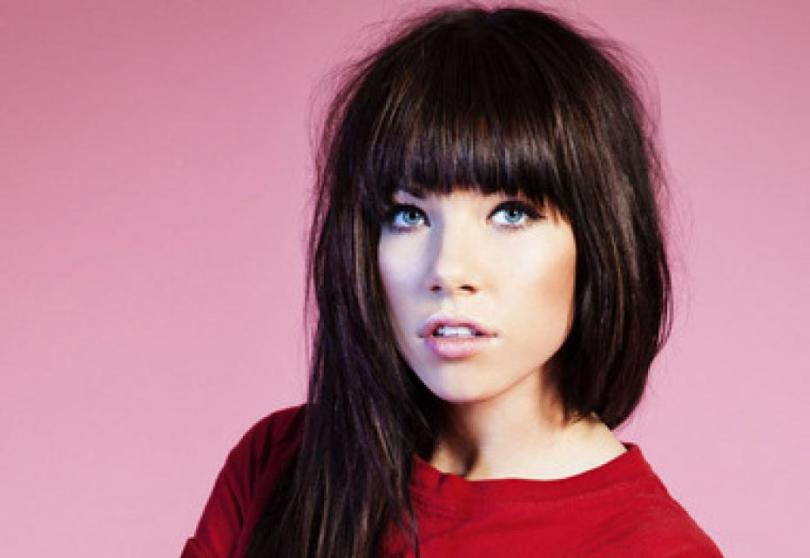
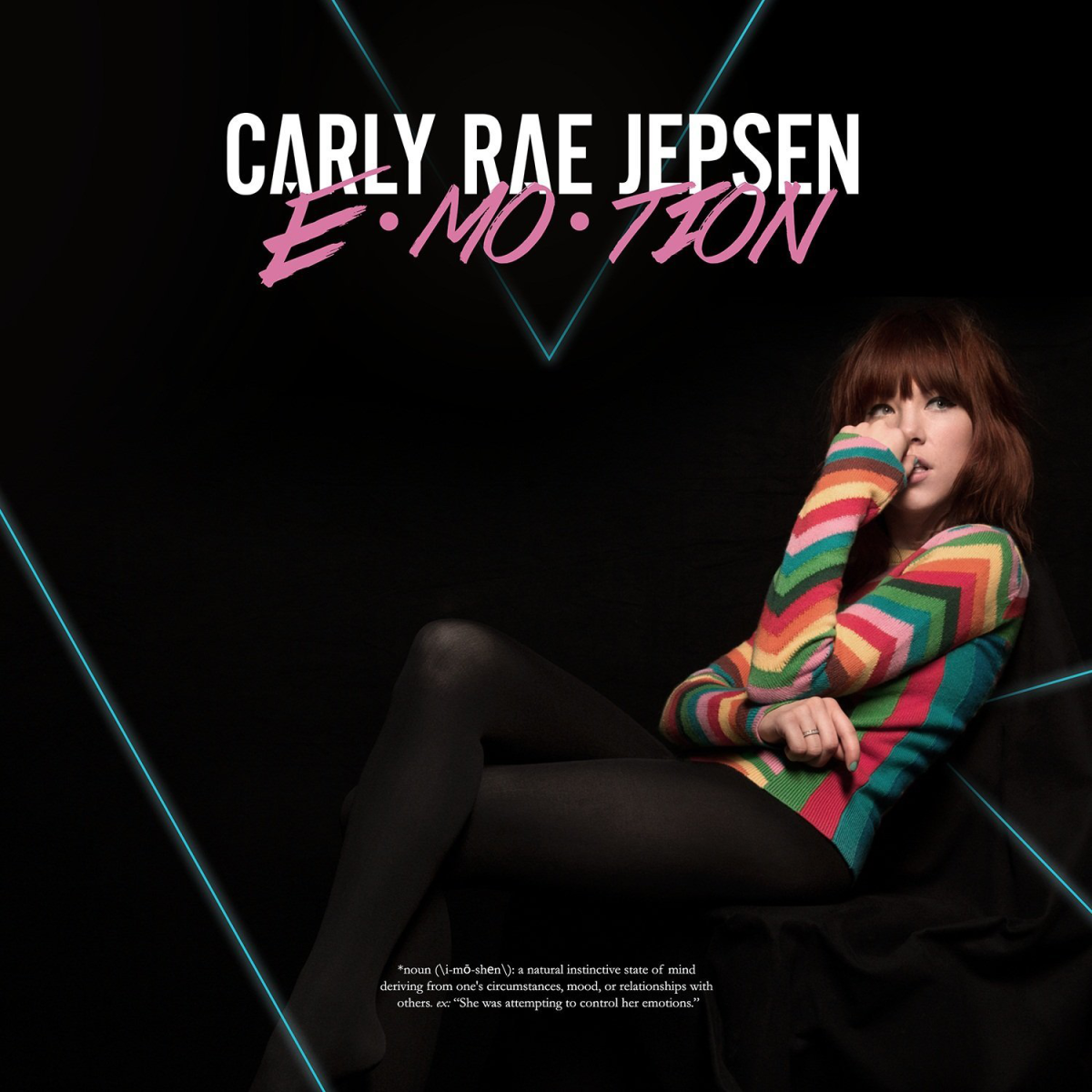
The sophomore album is always a challenging feat. Ask any artist and they will affirm that the second album is always the most testing. How do you follow up a successful début album, an introductory statement without recovering old ground or losing your audience altogether? Carly Rae Jepsen launched onto the music scene springier than a space hopper back in 2012 with huge guilty-pleasure ‘Call Me Maybe’ which remained in the charts (and our minds) for what felt like a lifetime. Whilst eventually a vexatious presence it was unarguably a slice of pop perfection and a triumphant launch onto the global music scene. Supporting album ‘Kiss’ was an enjoyable dance-pop album but one which failed to capture the enchantment ‘Call Me Maybe’ contained. Nevertheless, it was a commercial and critical success and one which secured Jepsen as the latest pop princess.
‘Emotion’ largely follows the same formula as ‘Kiss’; the focus is placed upon alluring hooks and uptempo dance-pop tracks which document escapades of puppy love. The primary difference however, is that Jepsen’s new material contains far greater substance. As is the latest trend, ‘Emotion’ draws heavily on 1980’s synthpop, Sia Furler’s writing credentials and a team of Swedish pop writers to formulate the perfect pop album. What ‘Emotion’ may lack in individuality, however, it makes up for in spirit and conviviality. Every track is meticulously programmed by some of pop music’s biggest producers (Greg Kurstin, Mattman and Robin and Shellback to name but a few) whilst Jepsen’s breathy and sultry vocals drift sedately atop. Every effect imaginable is tossed into the concoction – distortion, autotune, excessive reverb – but every ounce of effort is worthwhile; Jepsen has delivered an effervescent album abundant with catchy guitar riffs, breezy sound effects, and irresistible pop melodies.
Album opener ‘Run Away With Me’ is a model of things yet to come, plastered with detuned saxophone riffs, tight production, shuffling percussion, repetition and infectious melodies. It’s a fitting introduction; another teeny-bopper but its taut production gives it far greater substantiality. Lead single ‘I Really Like You’ remains as charming as on first listen whilst funky ‘Emotion’ comes dangerously close to becoming a direct rip-off of Haim’s ‘If I Could Change Your Mind’.
As is the case on all contemporary pop albums, Sia Furler is enlisted as songwriter on two tracks. The first, ‘Boy Problems’ is a fizzy affair, carrying levels of buoyancy Nile Rodgers would be proud of as Jepsen boasts that she ‘broke up with my boyfriend today and I don’t really care’. It shamelessly enters teeny-bopper territory again and is rife with sneering teenage girl ‘nah nah nah nah nah’s’. ‘Making The Most of the Night’ is a slightly darker effort in a similar vein to Sia’s own material, built around a tribal-influenced rhythm. Both tracks form just a handful of the album’s high points.
The 1975-esque ‘Let’s Get Lost’ is another of the album’s highlights, utilising funky guitar riffs, clinking synthesisers, and a feral saxophone appearance. Breezy harmonies are gorgeously layered, evolving into an exceptionally melodious chorus. It’s more infectious than than anything Jepsen has produced prior to this album and is crying out for a single release.
Elsewhere, ‘Emotion’ attempts to strike forward with a little more ferocity and variation. ‘LA Hallucinations’ explores hip-hop in a similar fashion to Taylor Swift’s ‘Bad Blood’ whilst ‘Warm Blood’ uses stomping percussion and fuzzy bass lines to great effect. Finale ‘When I Need You’, the most 1980’s influenced track by far with spaced percussion and shimmering bells could have easily been featured on the soundtrack to a classic ’80’s movie, following a similar suit to ‘I’ve Had The Time of My Life’.
In an album so sharply focussed on tight production and frolicking with various effects, the Mattman and Robin produced ‘Gimmie Love’ adopts a more simplistic touch through utilising Jepsen’s angelic vocals beautifully over minimalistic over reverberated percussion and metallic guitar riffs. Then there is sole conventional ballad ‘All That’ – a slow schmaltzy number rife with twinkling keys and giggling synthesisers, lavishly drizzled with Jepsen’s syrupy sweet vocals. The end of the middle eight hits a colossal climax which completes the track nicely.
Whilst Jepsen doesn’t necessarily demonstrate the greatest vocal range, this is greatly compensated for by the compelling melodies that stick in the mind long after the album’s final track. Every track is solid enough to be a single and this engenders a flawless album of pop gold.
‘Emotion’ is a glitzy album bursting with vibrancy; forty five minutes in which the listener is permitted to re-enter the comfort of a convivial, juvenile world free of the stresses of life. A perfect pop album.
Rating: 5/5.
‘Emotion’ is out now on Interscope/School Boy Records.
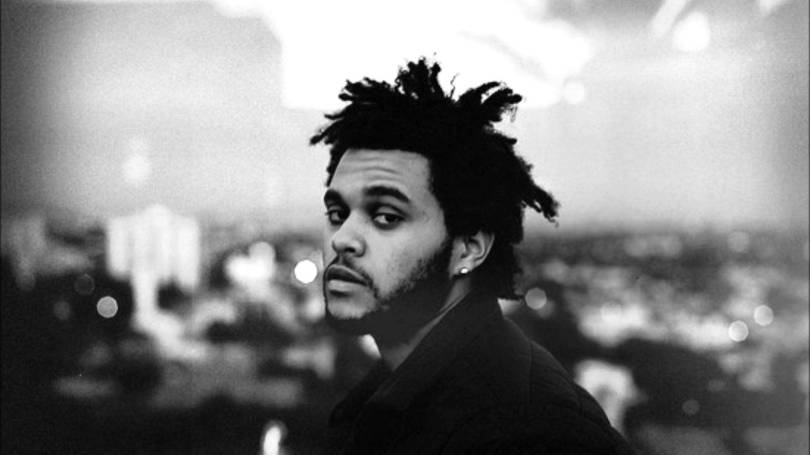
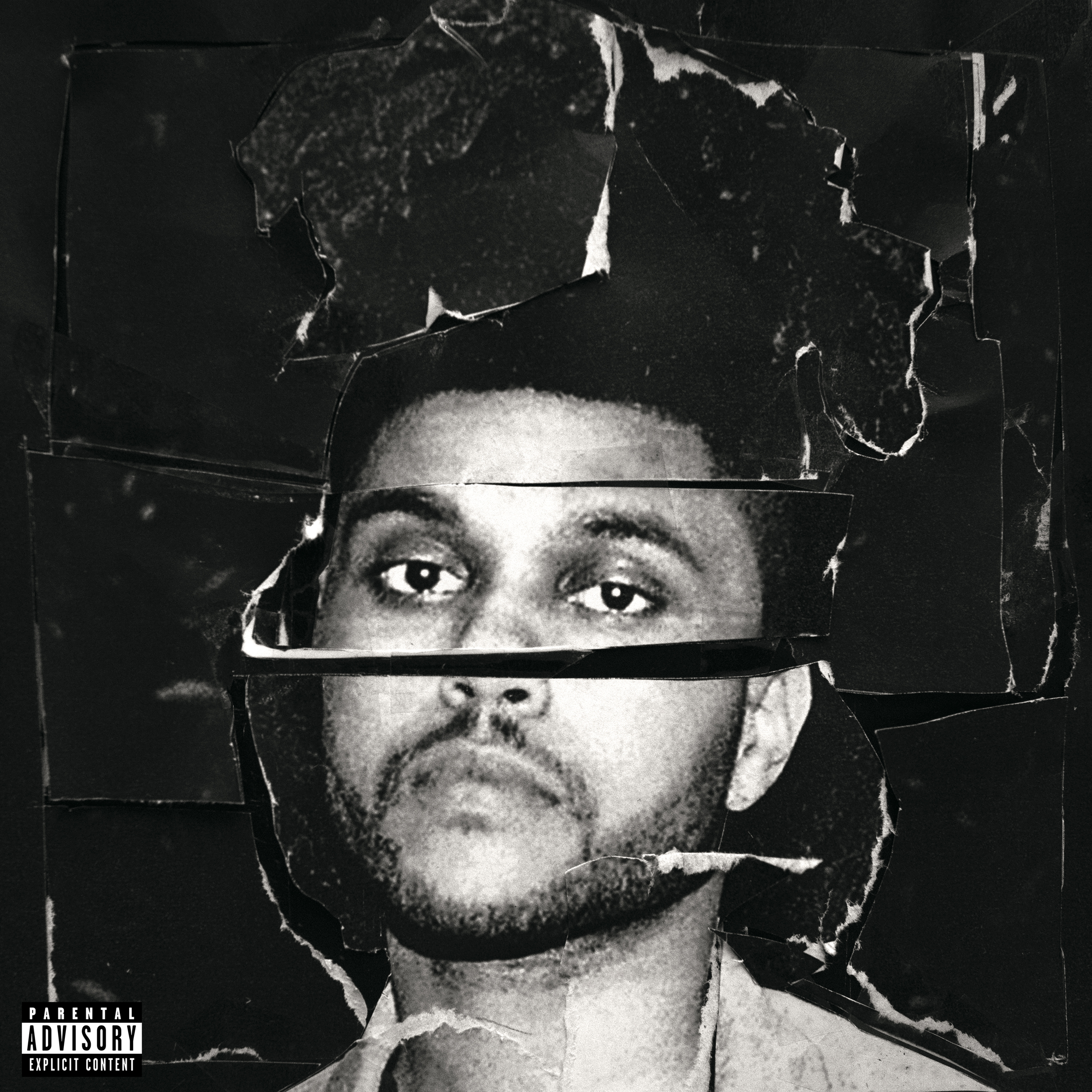
“Go tell your friends about it”, Canadian artist Abel Tesfaye croons on track three of latest album ‘Beauty Behind the Madness’. Indeed, it’s an album which boasts amorality, self-absorption and an insensate panorama of life. It is not the first of Tesfaye’s works; this is his second album and fifth collection of songs following three mix tapes and début album ‘Kiss Land’. But whilst ‘Kiss Land’ was a moderate success, it is latest offering ‘Beauty Behind the Madness’ that has captured the public’s attention. Largely propelled by huge single ‘Earned It’, certified platinum in the United Kingdom and best known for being featured in this years Fifty Shades of Grey movie, The Weeknd is fastly becoming the latest R&B sensation to hit the commercial music scene.
‘Beauty Behind the Madness’ adopts a nothing-to-hide approach, presenting themes such as no-strings-attached sex, drug usage, self destruction, the pursuit of fame and disloyal women amongst an eclectic amalgamation of thumping hip-hop beats, shiny brass instruments, syrupy-rich layered harmonies, funky bass lines and weeping guitars. It is a descent into melancholic psychedelia but one which thankfully avoids over-saturation through clever production and an assortment of genres.
Much of the album is an 80’s impelled anthology. ‘Real Life’ opens with irate synthesisers and crashing beats whilst ‘Losers’, a duet with Labrinth, utilises the piano in a similar fashion to Kanye West’s ‘Heartless’. Much of the album continues in the same way; eerie reverberations, clever production and Tesfaye’s angelic vocals smother symphonic scores. ‘As You Are’ borrows ’80’s gated pummelled percussion and clinking synthesisers with more reverberation than the dark side itself. It’s one of the album’s triumphant successes, however; a theatrical sound-scape in which Tesfaye vows to take his lover as they are, scars and all. ‘In The Night’ utilises a shuffle rhythm, growling bass and an irresistibly catchy melody.
Other moments slant heavily into hip-hop territory; ‘Often’ is comprised of a mesh of shrill sound-effects and Tesfaye’s salacious admission of doing it ‘often’. Lead single ‘The Hills’ is a song with instrumentation so precarious, it is a direct reflection of its lyrical content; a narrative about a plummeting sexual relationship. One of the more successful hip-hop tracks is ‘Tell Your Friends’ – a song so rife with hubris, Kanye West would be envious. It comes as no surprise, then, that Mr West himself is responsible for the production of this gentle R&B jam. Fluttering synthesisers and jazzy staccato piano chords make this track reminiscent of West’s ‘808’s and Heartbreak’ album. Whilst the album’s abundance of remarks such as ‘these b*****s’, these ‘n*****s’ and comments upon genitalia don’t come as a surprise, they are not the most fitting complement to Tesfaye’s innocent falsetto whispers. At times the contrast between the two becomes a little unnerving.
Thankfully, the sullen nature of the album is broken up by the odd injection of pop; the primary method Tesfaye has captured the public’s attention is through the selection of radio-friendly singles. Bleak waltz-ballad ‘Earned It’ known for its inclusion in the Fifty Shades of Grey movie is still captivating with its dramatic orchestration and sacharine sweet vocals. It is still as fierce as it was upon release. Still, even the pop moments disguise darker undertones; latest single ‘I Can’t Feel My Face’ is an ode to Tesfaye’s love of sex and cocaine, cleverly obscured by its radio-friendly pop sound. Co-written by songwriting genius Max Martin (the mastermind behind hits by Britney Spears, The Backstreet Boys and Katy Perry amongst countless others), Tesfaye does his best imitation of the King of Pop, drizzling his falsetto-ridden vocals over a funky bass line and tight percussion. It’s catchy, slick and pop music at its best. ‘Who’s gonna f*** you like me?” Tesfaye pines on saturnine acoustic guitar ballad ‘Shameless’. It’s another of the more pop-py moments on the album but one which works beautifully, complete with a warped guitar solo.
Tesfaye depends greatly on mainstream pop individuals on this album, enlisting Ed Sheeran, Lana Del Ray, Labrinth and Kanye West to name a few. ‘Dark Times’, a collaboration with Sheeran is a sulky waltz-like track in the same vein as ‘Earned It’ whilst the Lana Del Ray duet never quite reaches the heights it could. Nevertheless, the collaborations have resulted in an enthralling assortment of tracks.
It’s a dark, moody, seductive and powerful album, an innovative addition to the music industry.
Rating: 5/5.
‘Beauty Behind the Madness’ is out now on XO-Rebulic Records.
It feels as though no week in the past year has witnessed Jess Glynne absent from the UK singles chart. She has quite literally been everywhere, showcasing her rich soulful vocals with a multitude of friends in the industry; Clean Bandit, Room 94, Tinie Tempah and now, on the album, Emeli Sande. Indeed, it is likely Sande is responsible for Glynne’s never-faltering presence in the music industry; she too once was everywhere. Glynne should be cautious – Sande’s current absence from the industry lead to a sigh of relief from most of the general public who needed to recuperate from Sande’s over exposure (we’ve heard quite enough of ‘Read All About It’, thank you very much).
Those in camp Glynne have certainly been exceptionally savvy in generating a buzz for the album; the build up to its release has taken well over a year, beginning with the release of quirky ‘Rather Be’ with Clean Bandit last year. Since then, Glynne has taken a musical apprenticeship with a range of music industry acts, scoring five UK Number One and two top ten singles. Unfortunately, the album itself is a mixed bag of successes and weaknesses.
Musically, ‘I Cry When I Laugh’ is a joyous affair, full of bouncy house tracks, R&B jams and funky soul numbers. It’s all very 90’s. Glynne’s inability to strip any of the tracks of hand-claps makes it all rather uplifting and soul-stirring; at times the listener might question if they are listening to an album or attending a church service. Lyrically, however, the album tells an alternative story. Much of the album’s material discusses heartbreak or unstable relationships. The contrast between lyrical and musical content is one of the album’s strengths, a refreshing take on a heartbreak album.
The album utilises a range of genres, the main being R&B. Pleasant album opener ‘Strawberry Fields’ (not of any relevance to the track by The Beatles) is a leisurely R&B jam which signifies what’s yet to come. ‘Gave Me Something’ follows suit with house-styled piano riffs and catchy hip-hop beats layered with hand claps. ‘Ain’t Got Too Far To Go’ on the other hand, is a fun pop track with squeaky violins and honky-tonk piano chords, hip hop beats, football chants and gospel-influenced harmony layers. ‘Why Me’ continues the R&B thread, featuring Boyz II Men-esque backing vocals, although this is bought up-to-date with its unsettled dub-step percussion. The influence of Prince is conspicuous on ‘You Can Find Me’, one of the album’s stand-out tracks featuring giggling synthesisers, the return of gospel session singers, slamming beats and funky bass riffs. It’s a ‘Raspberry Beret’ for the modern generation.
Elsewhere, the album remains loyal to Glynne’s signature dance-pop/house sound she became famous for. Singles ‘Don’t Be So Hard On Yourself’, Huge dance smash ‘Hold My Hand’ (still an enjoyable listen), ‘Real Love’ (a victim of exposure) and ‘Right Here’ are all powerful, catchy dance hits that have become radio airplay staples. Disappointingly, other hits ‘Rather Be’, ‘My Love’ and huge summer banger ‘No Letting Go’ are reduced to bonus tracks, a cheap marketing technique to encourage fans to invest more money and purchase the deluxe version of the album.
The main issue with the album is it avoids providing much scope. Only two ballads are present, ‘Take Me Home’ and ‘Saddest Vanilla’, a duet with Emeli Sande. Both are pleasant enough but avoid any real emotional depth. The album’s up-tempo, in-your-face nature, whilst an admirable approach, becomes a little intense, monotonous and excessive half-way through and cries out for more variety. The album therefore works more effectively in small doses than as a full album listening experience. The over-exposure of most of the singles also mean these all fall rather flat, bogging the album down.
‘I Cry When I Laugh’ tries painfully hard to impress and in places it does. It’s all a lot of fun, tinged with elements of gospel music and 90’s house, it’s just all a little intense as a whole and becomes somewhat intolerable as a complete album. Nevertheless, its bold and optimistic ambience is to be admired. What it lacks in scope it makes up for in spirit.
Rating: 3/5.
‘I Cry When I Laugh’ is out now on Atlantic records.
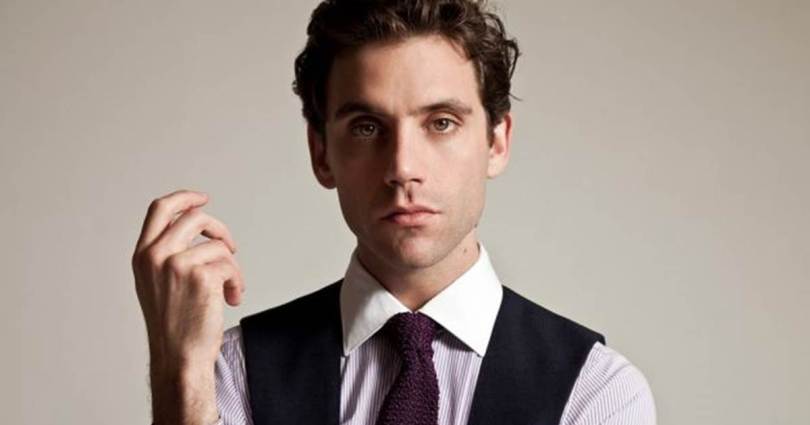
Any mention of Mika usually results in association with his smash début single ‘Grace Kelly’. It’s hard to believe that it’s been eight years since ‘Grace Kelly’ topped the chart in the UK and multiple other countries around the world. Certainly, accompanying album, ‘Life in Cartoon Motion’ was also a huge success, spawning four top ten singles. Follow up album ‘The Boy Who Knew Too Much’ was also a success but lead single ‘We are Golden’ was its only real triumph with follow up singles bombing outside of the Top 40. 2012 saw the release of ‘The Origin of Love’, an imperceptible musical departure from previous albums but one which did signify greater maturity. The album limped into 24 in the UK album chart, hugely disappointing for an album worthy of a far better reception.
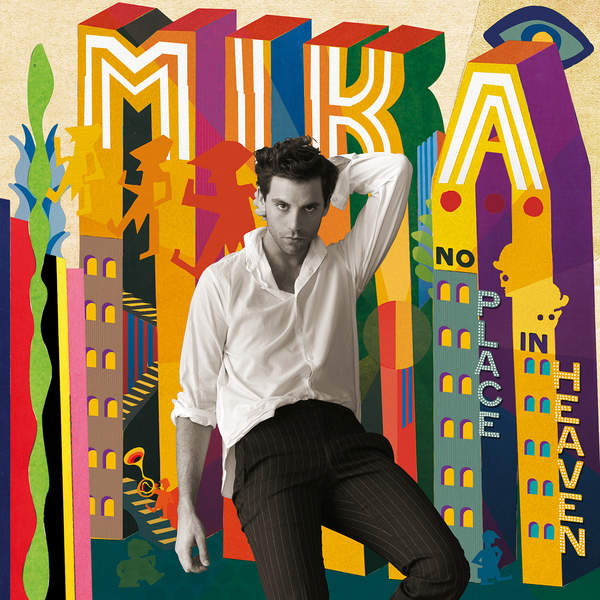
Spring forward to June 2015 and there was the surprise arrival of Mika’s latest offering, ‘No Place in Heaven’ which seemingly appeared out of no-where. Perhaps Team Mika should invest more on promotion and generating the buzz that first surrounded Mika at the beginnings of his career. Still, it has so far fared at least a little better than ‘The Origin of Love, peaking at number nineteen in the UK album chart.
‘No Place in Heaven’ is an archetypal Mika album, drizzled in camp abundance, littered with falsetto easy sing-along melodies, an over dependency on the bashing of piano keys, foot stomping percussion and containing more fun than a barrel of monkeys. It’s a return to the immaturity and simplicity of Mika’s first two albums, perhaps in a desperate attempt to regain some of his seemingly fading commercial magic. It’s an irresistibly catchy album full of well-written hooks, organic instruments and a strong vocal delivery from Mika as always; his extensive vocal range is certainly to be admired.
Album opener ‘Talk About You’ begins with a buzzing bass line before launching into a bouncy, buoyant pop-track with an irresistible melody. ‘All She Wants’ maintains the party atmosphere with ‘Mickey’-esque cheerleader hand claps, rich and layered harmonies and a rousing chorus. The album briefly visits the 1960’s with the springy and flamboyant ‘Oh Girl You’re The Devil’ whilst it all goes a bit Fleetwood Mac on ‘Rio’ It’s the up-tempo tracks which are most effective on this album; the ballads remove the fizz and energy of the album aside from the lovely ‘Good Guys’.
It feels like Mika is having a whale of a time and rightly so. He’s delivered a fine album, a master-class in song-writing as always and more than proves his worth. It’s not quite as robust as ‘Life in Cartoon Motion’ or as consistent as ‘The Origin of Love’ but it’s an admirable pop album which proves our UK artists are still something to be very much proud of.
Rating: 4/5.
‘No Place in Heaven’ is available now on Casablanca records.
For many, a Take That tour is the pinnacle event of the year; an exuberant spectacle of nostalgia, triumph and escapism. Past proceedings have involved cars onstage, rain machines, holograms, a transportable elephant, and a gigantic twenty metre robot amongst countless other stunts, polished dance routines, props and backdrops. But in 2015, at the ages of 43 (Owen), 44 (Barlow) and 47 (Donald), you would have perhaps thought Take That tours may begin to demonstrate signs of deceleration. Latest tour ‘Take That Live 2015’ showed nothing of the sort, however.
Take That’s live shows of 2015 was the latest risk in a series of many; the foundation of Take That’s career has been built upon gamble. Their career in the nineties was steered precariously by manager Nigel Martin-Smith who had exceedingly limited managerial experience prior to their existence. Then there was their launch amidst camp, flamboyant performances in gay clubs dressed primarily in bondage gear. Fast-forward to 2005 and a tentative return occurred, minus Robbie Williams, then five years later, just as fans had become used to Take That as a four-piece, Williams entered the fold once more. Just when it appeared that things had all settled in the Take That camp, 2014 brought an amalgamation of simultaneous risks. Since 2011’s hugely successful Progress Live tour, Williams had once again taken flight, returning to solo projects; his attention on the arrival of his second child with wife Ayda Field. Meanwhile, the Thatter fanbase was rocked pugnaciously by the surprise departure of much loved member Jason Orange. Incorporate a highly publicised tax scandal and theoretically, the continuation of Take That shouldn’t have been possible. But once again, Take That took a risk which paid off, attaining a number one single, a number one album and a sell-out arena tour featuring ten shows at the O2 arena in London.
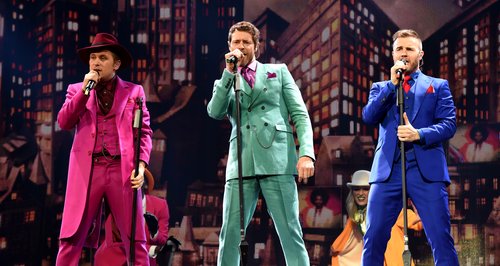
Picture courtesy of Unreality TV.
Take That’s live shows of 2015 were some of their best yet, a lavish affair with no expense spared. Confetti explosions, fire canons, schizophrenic lighting, an immense back catalogue of pure pop hits and the odd dance routine, Take That were out to please. And that they did. “We are what’s left of Take That”, the man-band chant in unison. It’s one of a handful of comical lines delivered by the band but one that carries a poignant undertone. Whilst Williams’ absence is less problematic (the public had five years to become accustomed to Take That as a four-piece after all), Orange’s is more conspicuous. There was a visible cavity onstage and Orange’s presence was still greatly missed both on a visual and entertainment level. There were a handful of particular poignant moments (his verse in ‘The Garden’, backing vocals on ‘Up All Night’ and most dance routines) where the beginnings of sentimentality crept in. These were never allowed to develop excessively, however and were vastly prevented by the industrious production onstage. Indeed, sometimes, it was almost as if the franticness of onstage proceedings was to compensate for the loss of Williams and Orange; in a sense, it worked. There was seldom a dull moment, rarely an opportunity to dwell on Orange’s absence for more than a few seconds.
Electro-pop breathy synthesiser interludes no doubt Donald’s influence, bursts of colour, a mob of cast members descending onstage parading in colourful attire and anoraks, an eccentric male protagonist involved in bizarre experiments, eruptions of Willy Wonka-esque encouragement carry the show for fifteen long minutes before Take That’s explosive arrival onstage prompting rapturous cheers and ear-piercing squealing from the audience. ‘I Like it’ is the perfect opener to the tour, a flamboyant electro track comprised of squeaky synthesisers, meticulously synced hand claps for maximum audience participation and a rousing chorus. “I don’t know what the people see but I like it”; it’s evident the song was written specifically for the live occasion. The trio power through more crowd rousing tracks, Progressed’s ‘Love Love’, ‘Get Ready For It’ complete with eruptions of flame followed by ‘Greatest Day’ staged with minimalistic production, a wise decision as the song holds the crowd enough alone. It’s still as euphoric as ever, prompting raised arms from most audience members and explosions of multi-coloured ticker tape to envelop all super-fans in the inner pits.
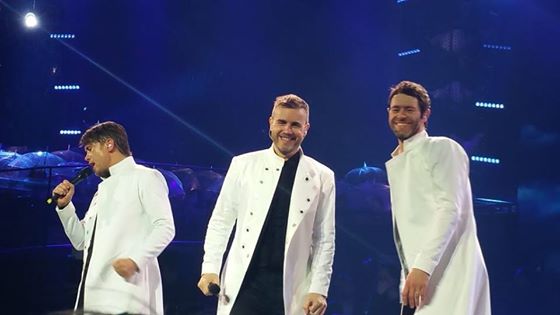
Picture courtesy of Capital FM.
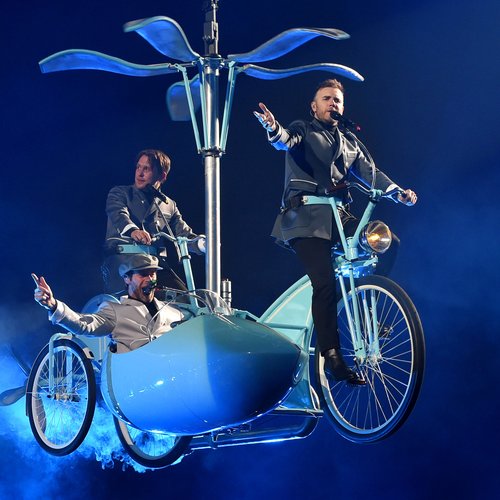
The foremost surprise in the evening is the stunning and theatrical performance of ‘The Garden’, the opening track to 2008’s ‘The Circus’ album. Accompanied visually by a spectacular silhouetted puppet show, projected onto two huge white curtains which encompass those in the inner pits, it’s a beautiful moment for all those in the arena and the perfect complement to a song that frankly deserves greater credit. Another pinnacle of the show, ‘Portrait’, is performed as Barlow, Donald and Owen soar above the heads of thousands of adoring fans on a bike-come-tandem-come-side car hybrid. It’s a spectacular moment and somehow, the barber-shop-styled chorus is maintained pitch perfectly. The inclusion of ‘Affirmation’, a previously neglected ‘Progress’ album track written primarily by Donald is another surprise. It could have potentially served as a toilet break opportunity but intelligent staging in which the Take That lads become evil techno-gods thumping out the song on synthesisers and drum machines make it work and bizarrely won the audience over. The thunder-god theme continues onto ‘The Flood’ complete with stormy backdrops on large LED Screens and assistance from a rain machine. 90’s hits ‘Relight My Fire’ (presented with an oriental theme on this tour) and ‘Could It Be Magic’ contain as much camp abundance as back in their hey-day, accompanied by dynamic dance routines whilst an aerial performer romps around acrobatically in an elevated, illumine sphere for summer belter ‘Let in the Sun’. As Owen himself acknowledges, the show borders on serving as a voyage through British weather.
Elsewhere, just as the show becomes in danger of becoming profligately exhausting, the thirty plus assemble is removed from the stage for more gentle moments, mostly for classic Barlow-ballads. ‘Flaws’, sung beautifully by Gary Barlow is accompanied by a beautiful contemporary dance routine smothered in homoeroticism by Owen and Donald. A shirt lift mid-way through by both members induced wild screams from the audience, reinforcing the unfaltering sex appeal fastened to the band. It’s a move that prompts a mixed response from critics but sends fans into overdrive. Likewise, other songs require less of a spectacle to be made. Major hits are performed with minimal fuss: timeless pop perfection ‘Patience’, the gorgeous ‘Said It All’, ‘Pray’ and even ‘Back For Good’ is left well alone on this tour, performed sitting on stools, a move Barlow has previously been the first to criticise. Perhaps the intensity of live shows is finally getting to them after all. Regardless, many of Take That’s hits are strong enough to be performed without major production, leaving all expense to be lent to other parts of the show.
Picture courtesy of Birmingham Mail.
The set list itself mainly draws upon TT4 material – songs recorded between 2006 and 2009, a decision which confused many critics. Criticisms are unjustifiable however. At least one song from all seven Take That albums is performed; fans are well catered for. Occasionally, Barlow’s voice becomes a little uncertain, the first time in the band’s career in which there is an auditory strain to hit certain notes although equitably, this is on the band’s more demanding material. This is compensated through the swing-styled vocals he adds to the ending of ‘I Like It’ and the cleaner falsetto vocals he manages to produce on ‘Portrait’ which somehow manage to exceed the record version.
The show temporarily closes with ‘Rule the World’, which remains Take That’s superlative song, before an encore of ‘Shine’ and ‘Never Forget’ follows. The latter closes the show triumphantly as always; the sight of twenty thousand pairs of arms in the air for the latter is breath-taking and the perfect finale to a magnificent show.
They may have been two men down in a downsized venue (gone are the football stadiums, although they have been replaced with still impressive sized arenas) but Take That somehow managed to surpass previous tour Progress Live with a vibrant, theatrical and greatly entertaining show, the music event of the year.










 the-music-box.co.uk